Treatments
When surgery offers the most reliable route back to comfortable, confident movement, using the latest surgical techniques including robotic-assisted planning.
about this treatment
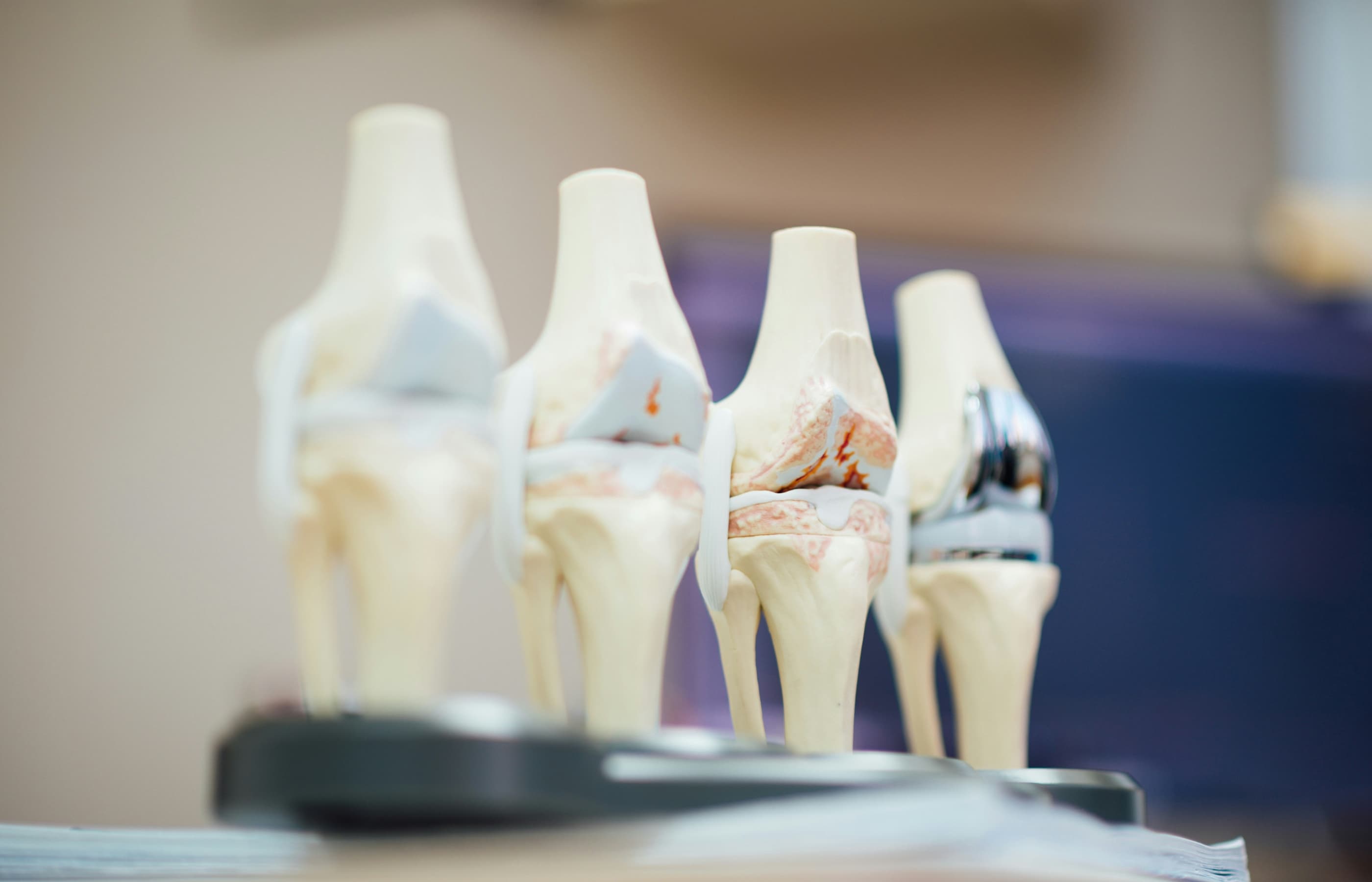
Total knee replacement is one of the most reliable and successful operations in orthopaedic surgery. It involves removing the damaged cartilage and bone surfaces of the knee joint and replacing them with precision-engineered metal and plastic components. The result is a joint that moves smoothly with far less pain.
It is one of the most common and most successful elective surgical procedures performed in the UK. Mr Oni regularly performs this procedure, including complex cases, and has the experience to guide you through your options.
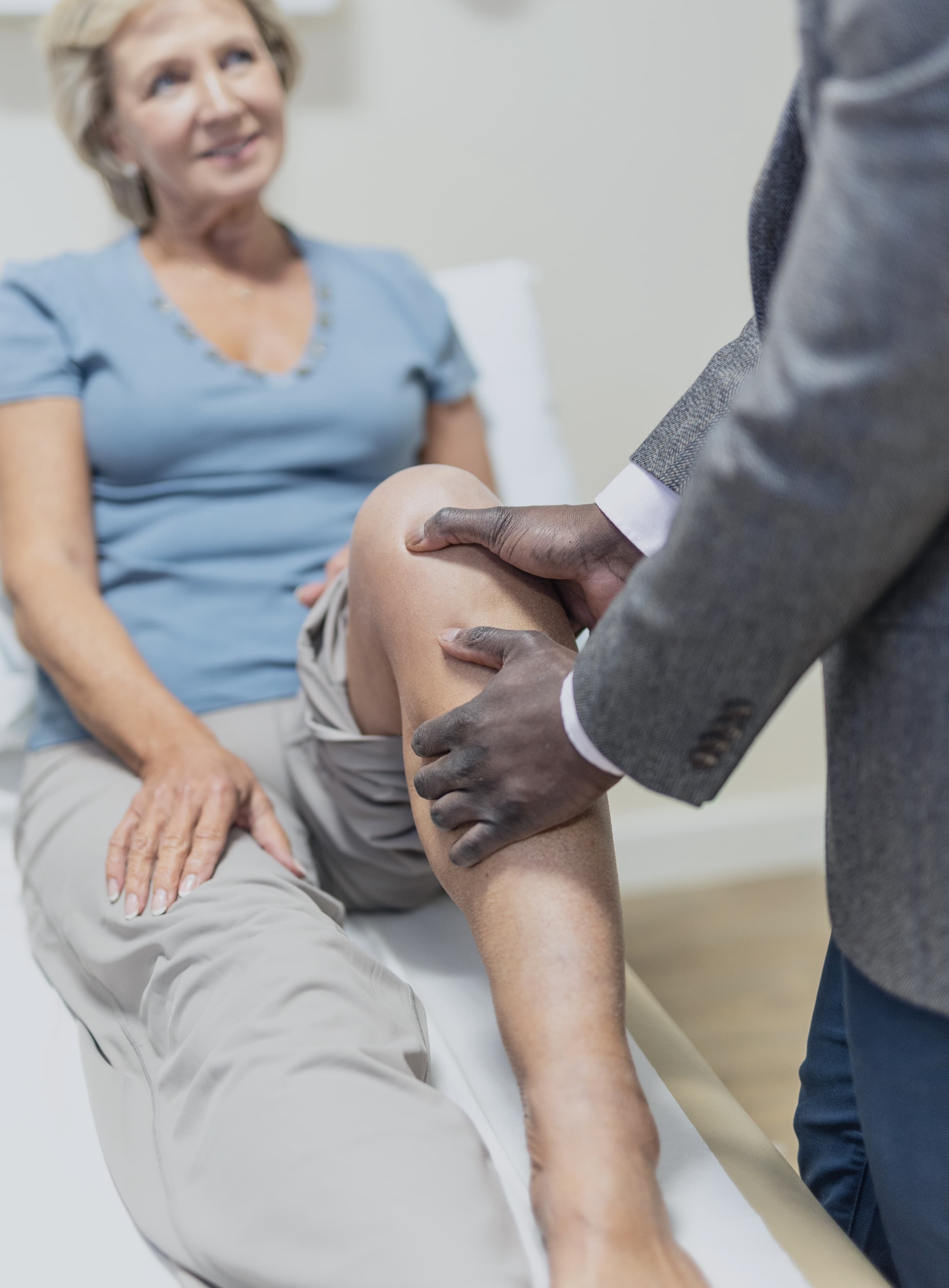
is this right for me?
Surgery is never the automatic answer. Knee replacement is usually considered when conservative treatments have been exhausted and the impact on your life is significant.
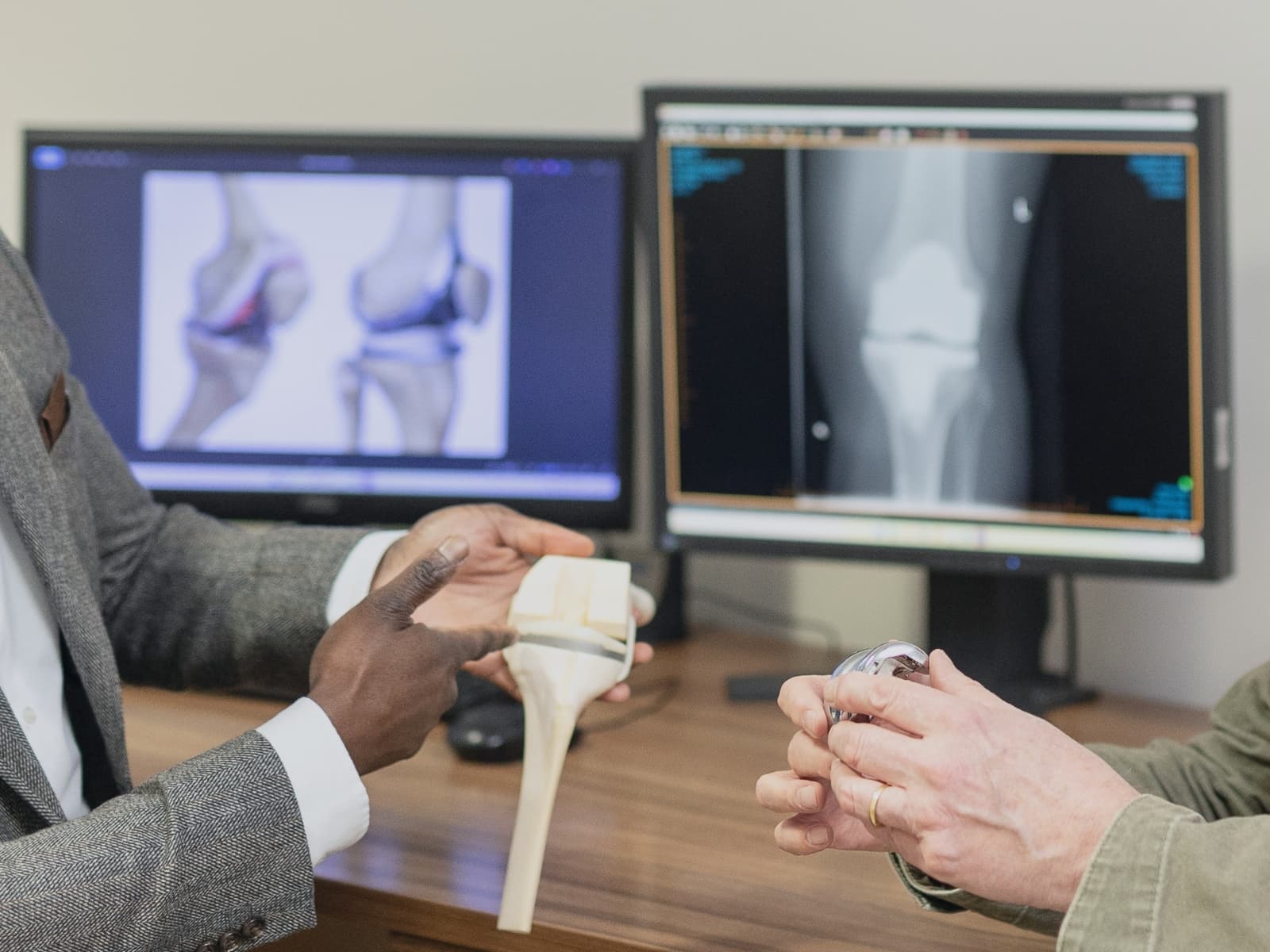
When arthritis significantly damages the joint and pain and stiffness limit your daily activities.
When physiotherapy, weight management, injections and other measures no longer provide adequate relief.

When pain is affecting sleep, mobility, working and your ability to enjoy the activities you value.
Not sure if you qualify?
Many patients come to Mr Oni uncertain whether their symptoms are "bad enough" for treatment. The answer always comes from a proper clinical assessment - not from a website. Book a consultation and Mr Oni will give you an honest view.
outcomes
These are the benefits and outcomes typically expected from this treatment. Realistic expectations matter, so you go into any treatment fully informed.
The majority of patients report dramatic reduction in knee pain within weeks of surgery, with continued improvement over the following months.
Most patients return to walking, stairs, driving, and daily activities within six to twelve weeks. Many return to golf, swimming and cycling.
Modern implants are designed to last 15–20 years. The majority of patients will not need revision surgery within this timeframe.
Night pain — one of the most disruptive symptoms of knee arthritis — typically resolves quickly after surgery, improving overall quality of life.
Recovery varies between patients, but a general timeline gives you an idea of what to expect after your knee replacement.
Physiotherapy begins, you will stand and walk short distances within hours, with pain managed with medication.
Walking with a stick, managing stairs, most patients can drive at around 6 weeks, sometimes sooner in some cases.
Most daily activities resumed, return to office work, light exercise, golf and cycling typically within this window.
Continued improvement in strength and movement, most patients reach their best outcome at the one year mark.
YOU MAY ALSO WANT TO EXPLORE
Resurfacing only the worn part of the knee to relieve pain and restore movement.
YOU MAY ALSO WANT TO EXPLORE
A non-surgical injectable treatment for knee osteoarthritis that can provide lasting relief from joint pain.
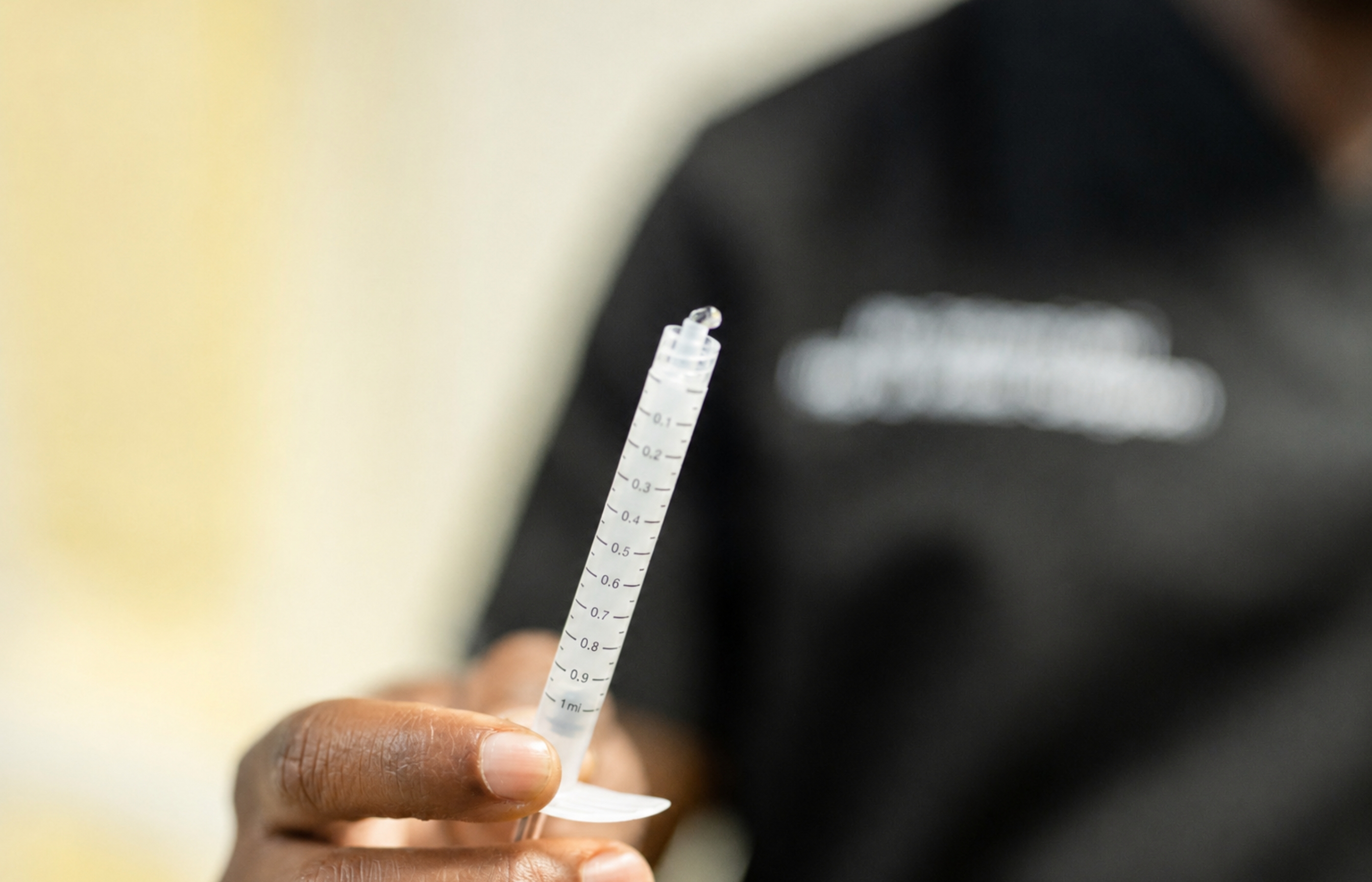
YOU MAY ALSO WANT TO EXPLORE
Keyhole knee surgery to diagnose and treat mechanical problems such as a torn meniscus, a loose fragment, or a knee that locks or catches.
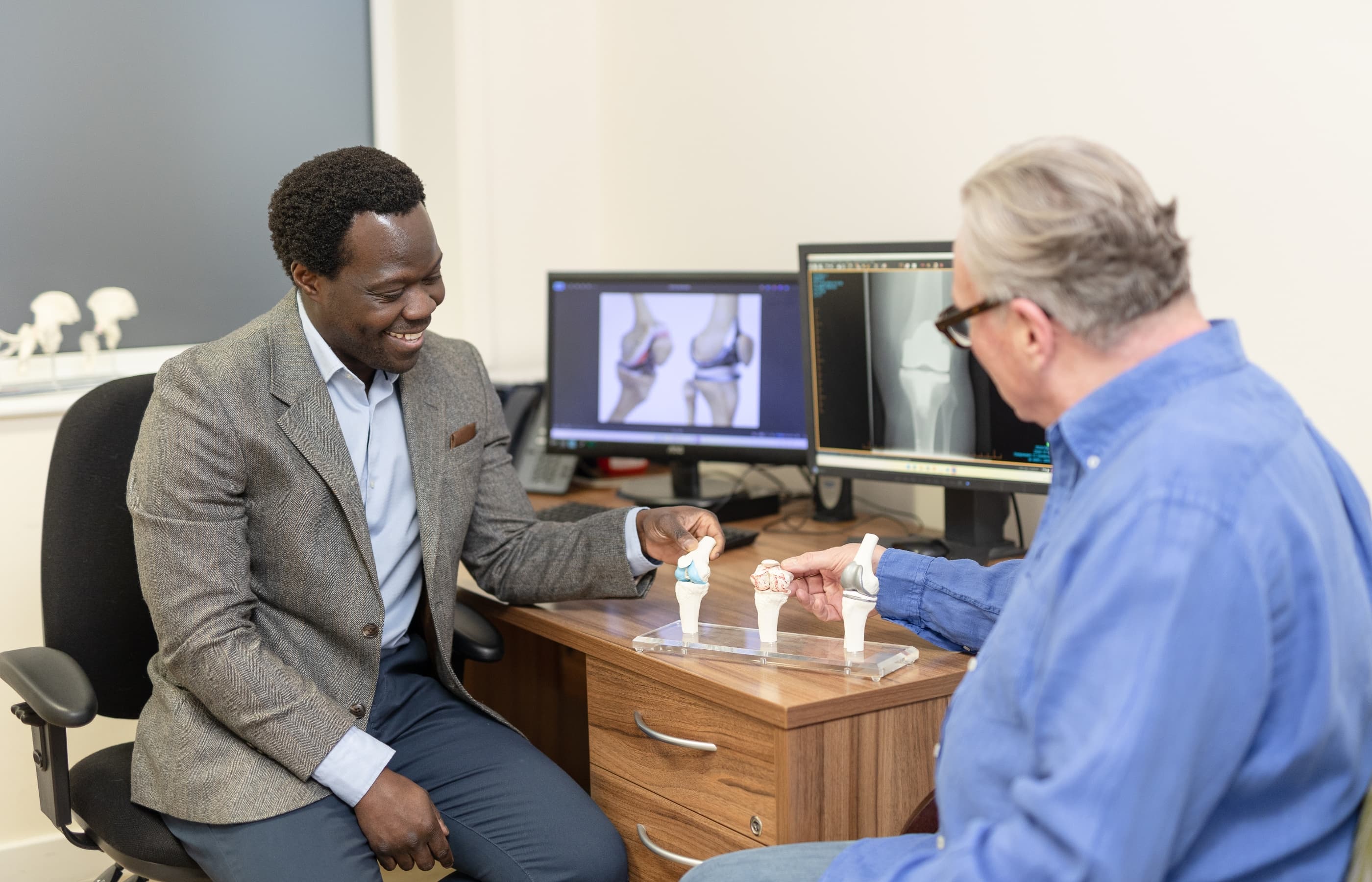
YOU MAY ALSO WANT TO EXPLORE
Robotic-assisted knee replacement, planned and performed around your exact anatomy for greater precision.

As with any major surgery there are risks to consider, which Mr Oni will discuss with you fully at consultation, including infection, blood clots and the lifespan of the implant. For most suitable patients the benefits significantly outweigh the risks.
Costs vary depending on your hospital and whether you are self-funding or using insurance. We can provide a clear, itemised quote at your consultation.
Most patients are able to return to driving at around six weeks, sometimes sooner. This is confirmed with you at follow-up.
Modern knee replacements are designed to last many years. The majority function well for 20 years or more.
Most patients return to low-impact activities such as golf, swimming and cycling within three to six months. Higher-impact sport is discussed individually with Mr Oni.
Yes. Physiotherapy is an important part of recovery, and you will be supported with a guided rehabilitation programme to rebuild strength and movement after your surgery.
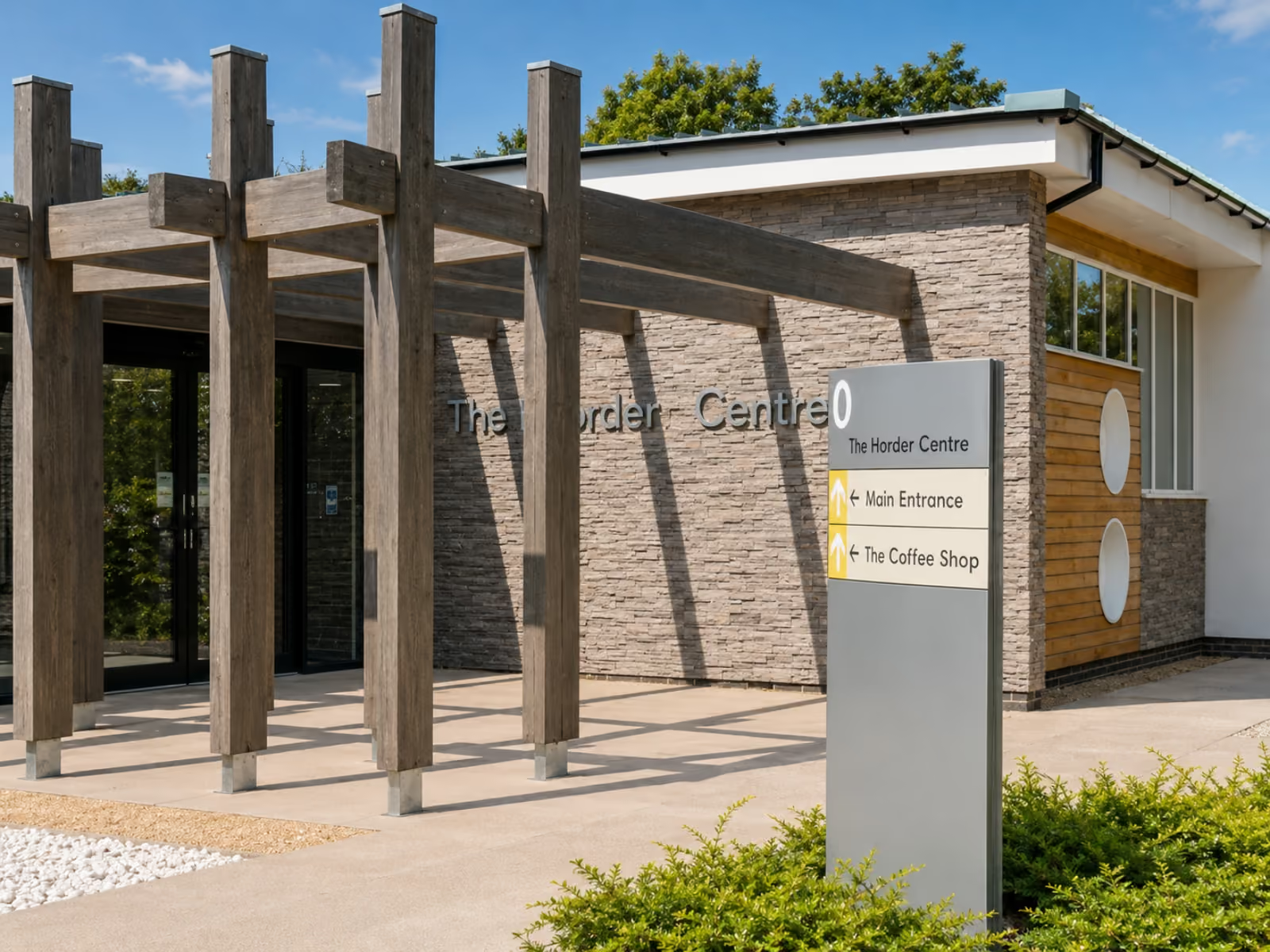
Answers written by Mr Tofunmi Oni, Consultant Orthopaedic Surgeon (MBChB BSc PGDip FRCS (Tr & Orth), GMC 7074916), who performs knee replacement at The Horder Centre in Crowborough and Nuffield Health Tunbridge Wells. Figures come from the National Joint Registry, NICE, the NHS and the studies listed in the sources at the end. Last reviewed October 2026.
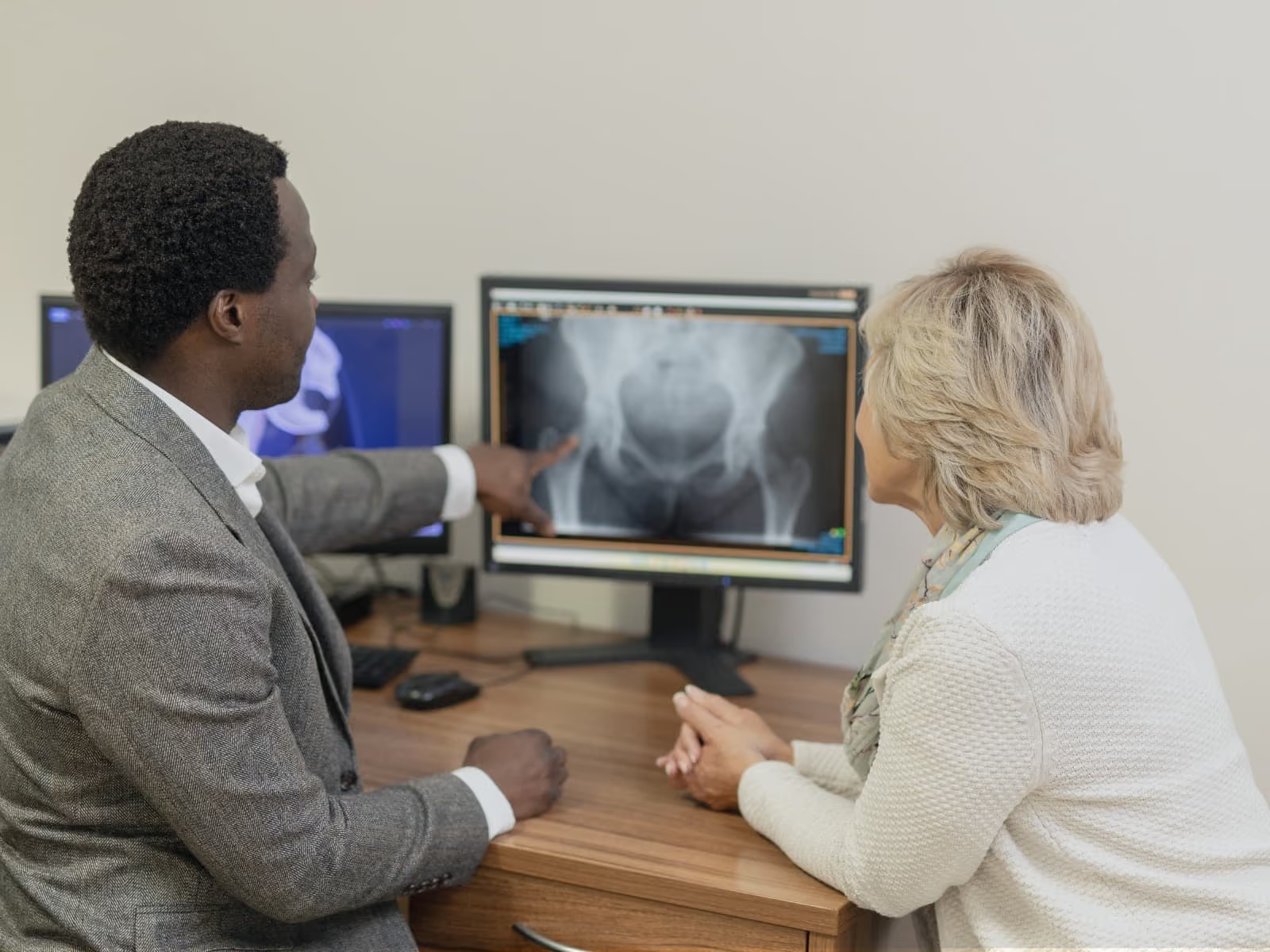
There is no X ray threshold or score that decides it. NICE says to consider referral when pain, stiffness, reduced function or deformity substantially affect quality of life and non surgical treatment has not worked or is unsuitable, and that the decision should rest on clinical assessment rather than a scoring system. The NHS puts it as knee pain having a big effect on your life after the alternatives have been tried.
Persistent pain, including at rest and at night, stiffness, instability or giving way, deformity and a loss of function that limits daily life despite exercise, weight management and pain relief. Most people needing a knee replacement have osteoarthritis; rheumatoid and post injury arthritis are less common causes. Pain at rest before surgery is one of the factors linked to a less satisfied patient afterwards, which is one reason not to leave things until the knee hurts all day.
Osteoarthritis does not reverse, so the symptoms usually persist or progress, and reduced activity affects general health, weight and muscle strength. There is no evidence that waiting damages the result of the eventual operation, but you live longer with the symptoms, and the research suggests people with very poor function going into surgery tend to score lower afterwards. NICE advises referral when quality of life is substantially affected rather than waiting for any threshold.
There is no best age, and NICE says age should not be a barrier. The typical NJR patient in 2024 was 70. Younger patients carry a higher lifetime revision risk because they live longer and use the knee harder: NJR 15 year revision rates are around 16% for people under 55 against under 3% for those over 75, and a Lancet analysis put the lifetime revision risk at about 5% for patients over 70 and up to 35% for men in their early 50s.
Knee replacement is known for a harder early recovery than hip replacement. Pain is managed with a spinal or general anaesthetic, local anaesthetic around the joint and regular painkillers. Versus Arthritis notes pain is usually worst on the second or third day, that pain from bruising is normal for about two months, and that many people still need painkillers at six weeks, particularly to sleep. In one study about 72% of patients showed fast pain relief over the first eight weeks and 28% a slower course. Long term, between 10% and 34% of patients report some unfavourable pain, roughly one in five in the best studies.
The first few weeks, when pain, swelling and disturbed sleep are at their peak and you are being asked to bend a knee that does not want to bend. Things generally improve steadily from around week three to six, when the walking aids are being dropped. Planning help at home for the first fortnight makes a real difference.
NICE expects you up with a physiotherapist on the day of surgery or within 24 hours. Most people go home after one to four days walking with a frame or crutches, progress to one crutch and then a stick, and try walking without an aid at about six weeks. Stairs are taught before you leave hospital: unoperated leg up first, operated leg down first. Light housework is fine early, but the NHS advises avoiding lifting, vacuuming and changing beds for about three months, and return to work is usually six to twelve weeks.
You do not need a special position, but do not put a pillow under the knee, because it encourages the knee to stiffen in a bent position. Sleep on your back or on your side with a pillow between the knees if that is more comfortable. Night pain is common for some weeks, and taking painkillers at bedtime is often still needed at six weeks.
Very little is truly forbidden. Versus Arthritis says exercise and sport are recommended apart from contact sports, and a 2022 consensus review supports low impact sport (walking, cycling, golf, swimming) with doubles tennis and skiing considered case by case for experienced players. High impact sport and running are generally not recommended because long term implant data for them are lacking, not because they are proven to cause failure. Kneeling is allowed once the wound has healed.
Yes. Kneeling does not damage a well fixed implant, and the advice is to wait until your surgeon says it is safe, usually about three months and on a soft surface. In practice only about a third of patients kneel at one year, rising to about half at three years or more, and the commonest reasons for not kneeling are discomfort over the scar, numbness, lack of instruction and fear of harming the implant. It may never be entirely comfortable, but it usually improves.
NHS advice is to wait at least six weeks after a total knee replacement and about three weeks after a partial, and only once you can do an emergency stop comfortably without strong painkillers. Braking reaction time studies show it returns to normal by about four weeks after a right knee replacement and as early as two weeks after a left, so six weeks is the cautious default rather than a hard rule. You must tell the DVLA if you are still unable to drive three months after an operation, and check your insurer's terms.
Low impact activity is encouraged. A static bike is often used within the first few weeks, and most people are back to golf, cycling, swimming and walking by about three months; the average return to sport in the consensus review was around 13 weeks after a total and 12 after a partial. Doubles tennis and skiing are considered case by case. Running and other high impact sports are generally not recommended, though some surgeons agree it with selected patients.
Persistent pain and stiffness are the commonest complaints, followed by difficulty kneeling, clicking and numbness around the scar. Around 80 to 85% of people are satisfied and about 15 to 20% are unsure or dissatisfied at one year, with unmet expectations the strongest predictor of dissatisfaction, which is why I spend time on what the knee will and will not do before surgery. An artificial knee does not feel exactly like a normal knee.
It is major surgery with a recovery of several months. Risks include blood clots, infection (a small chance, but deep infection can need further surgery), stiffness that sometimes needs the knee manipulated under anaesthetic, nerve, vessel or ligament injury (uncommon), ongoing pain or instability, and eventual wear or loosening. About one in five patients is not fully satisfied, and younger patients carry a higher lifetime chance of needing a revision.
Registry data show about 93% of total knee replacements still in place at 15 years, 90% at 20 years and 82% at 25 years, and the NJR reports the commonest cemented design with a 5.28% revision rate at 20 years. At 20 years the usual issues are wear of the plastic insert or loosening, both of which can be revised. The chance of a second revision after a first is about 15% at ten years, and early revision of a primary knee is a poor prognostic sign for further problems. I do not perform knee revision surgery myself; if a knee of mine needs revising I refer to a colleague who specialises in it.
Warning signs are new or increasing pain, especially start up pain or pain on weight bearing, swelling, a feeling of instability or giving way, grinding, or loss of movement; new pain in a previously good knee should be assessed with X rays. UK consensus from the UK SAFE study is that for well performing implants routine follow up between one and ten years is not needed provided there is quick access to review if problems arise, with a clinical and X ray check at ten years. Your surgeon will tell you the follow up pattern for your implant, and new symptoms at any point are a reason to be seen sooner.
There is no fixed number. A knee can be revised more than once, but each revision is more complex, removes more bone, and the benefits tend to lessen each time. NJR data show about 15% of first revisions are revised again within ten years.
Normal walking, including long walks, is encouraged and is not known to damage a modern implant. In the first weeks overdoing it causes swelling and pain rather than harm, so build up gradually. The concern is repetitive high impact loading such as running and jumping, and contact sport, not walking.
NHS England figures for June 2026 show a median wait of 11.9 weeks across all specialties, 65.8% seen within 18 weeks against a 92% standard, and in trauma and orthopaedics about 830,000 people waiting with 60.9% within 18 weeks; the wait for the operation itself varies widely by trust. At The Horder Centre and Nuffield Health Tunbridge Wells a fixed price knee replacement package is typically in the region of £15,000 to £17,000, with the £250 initial consultation charged separately; published guide prices in the area run from about £12,000 to £16,000 for the hospital element. Private surgery buys shorter waits, choice of surgeon and a private room. The implants, techniques and registry monitoring are the same, so the operation itself is not better.
The alternatives listed by the NHS are weight loss, exercise, insoles, painkillers, steroid injections, and for selected younger patients osteotomy (realigning the bone) or cartilage procedures. Newer options such as hydrogel injections (Arthrosamid), biologic injections and joint distraction are under evaluation and none is NICE recommended as a replacement for arthroplasty. For end stage arthritis there is currently no proven alternative. Robotic assistance is a change in how the operation is done, not an alternative to it.
There is no good evidence that the season affects the result. The better question is when you can commit six to twelve weeks to recovery with help at home. Some people prefer spring or autumn to avoid walking on ice or recovering in a heatwave, and on the NHS the waiting list rather than the season usually dictates timing.
National Joint Registry, 22nd Annual Report 2025, executive summary and knee chapter. https://reports.njrcentre.org.uk
National Joint Registry, 16th Annual Report 2019, revision by age. https://reports.njrcentre.org.uk/2019/AR-Executive-Summary
NICE NG157, Joint replacement (primary): hip, knee and shoulder (June 2020). https://www.nice.org.uk/guidance/ng157
NICE NG226, Osteoarthritis in over 16s (October 2022), section 1.6. https://www.nice.org.uk/guidance/ng226
NHS.uk, Knee replacement: why it's done, what happens, recovery, complications and alternatives (reviewed September 2026). https://www.nhs.uk/conditions/knee-replacement/
Versus Arthritis, Knee replacement surgery. https://www.versusarthritis.org/about-arthritis/treatments/surgery/knee-replacement-surgery/
GOV.UK, Surgery and driving. https://www.gov.uk/surgery-and-driving
Evans JT et al. How long does a knee replacement last? Lancet 2019;393:655-63. https://doi.org/10.1016/S0140-6736(18)32531-5
Bayliss LE et al. The effect of patient age at intervention on risk of implant revision after total replacement of the hip or knee. Lancet 2017;389:1424-30.
Scott CEH et al. Predicting dissatisfaction following total knee replacement. J Bone Joint Surg Br 2010;92-B:1253-8.
Bourne RB et al. Patient satisfaction after total knee arthroplasty: who is satisfied and who is not? Clin Orthop Relat Res 2010;468:57-63.
Beswick AD et al. What proportion of patients report long-term pain after total hip or knee replacement? BMJ Open 2012;2:e000435.
Braking time following total knee arthroplasty: a systematic review. J Arthroplasty 2018;33(1).
Surgery related predictors of kneeling ability following total knee arthroplasty: systematic review and meta-analysis. Knee Surg Relat Res 2021;33:36.
Return to sport post knee arthroplasty: an umbrella review for consensus guidelines. Bone Jt Open 2022;3:245-51.
UK SAFE: Evidence based follow up recommendations following primary hip and knee replacement (2020).
Early postoperative pain trajectories after total knee arthroplasty. JAMA Network Open 2019.
NHS England, Referral to Treatment waiting times, June 2026 (published August 2026). https://www.england.nhs.uk/statistics/statistical-work-areas/rtt-waiting-times/
Mr Oni consults and operates at several leading private hospitals across the region, so you can choose the location most convenient for you.
get in touch
See Mr Oni at The Horder Centre, The Nuffield Hospital or The Vale Health Clinic.
Fill in the form below or get in touch directly:
Libby aims to respond to all requests within two working days

We accept most major UK private medical insurers, and welcome self-funding patients too.