.avif)
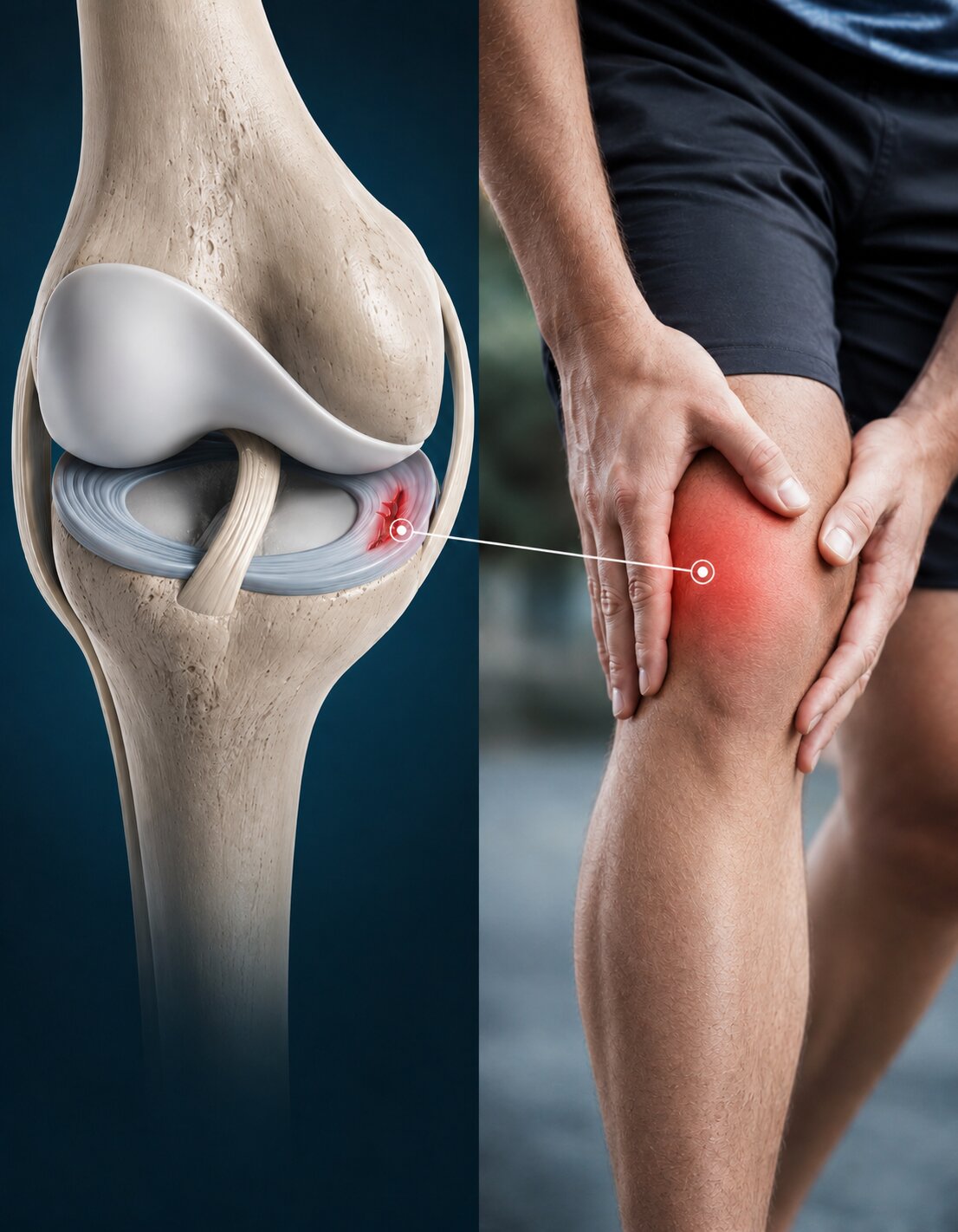

Recognising the condition
How a meniscal tear is treated
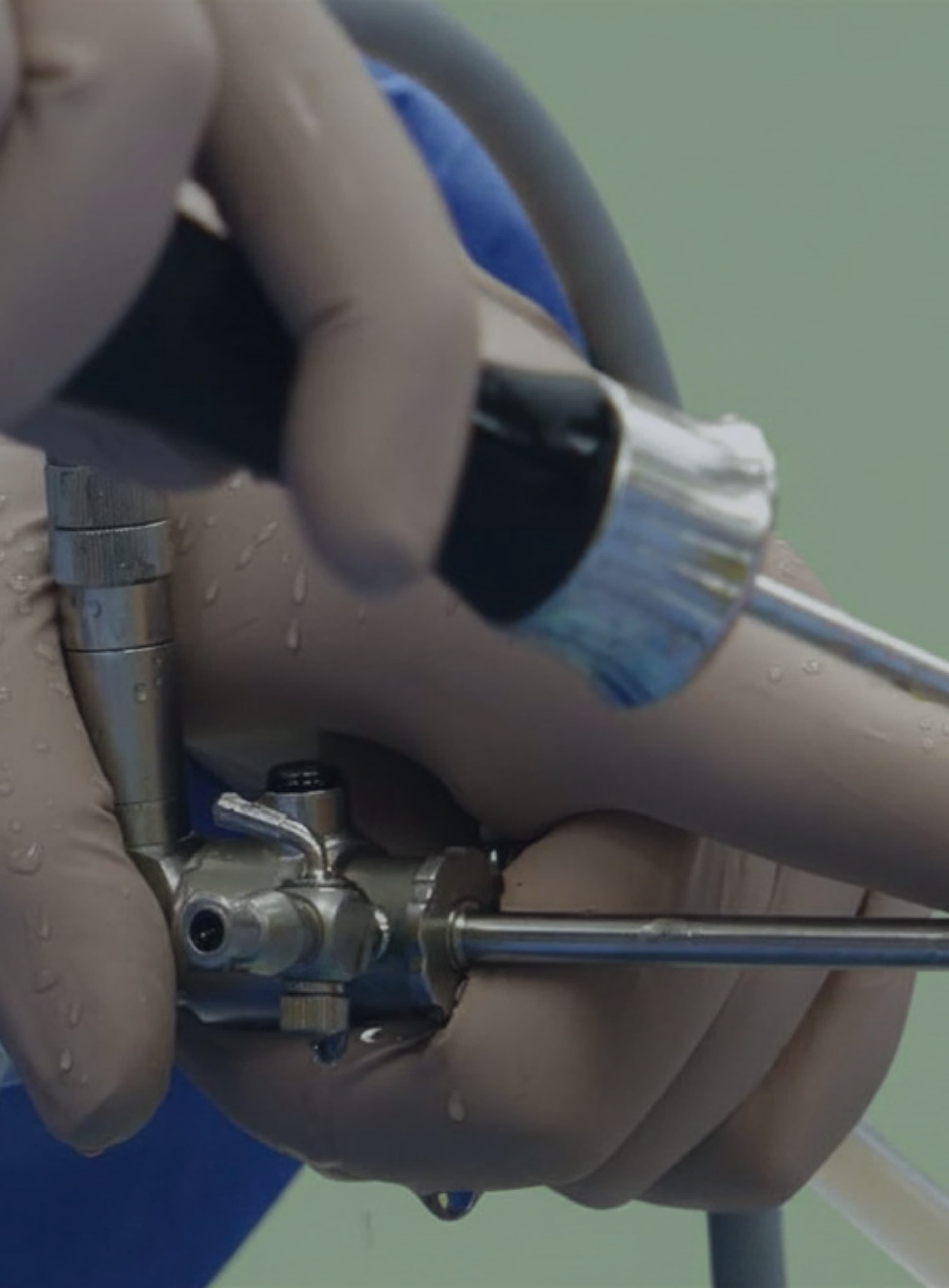
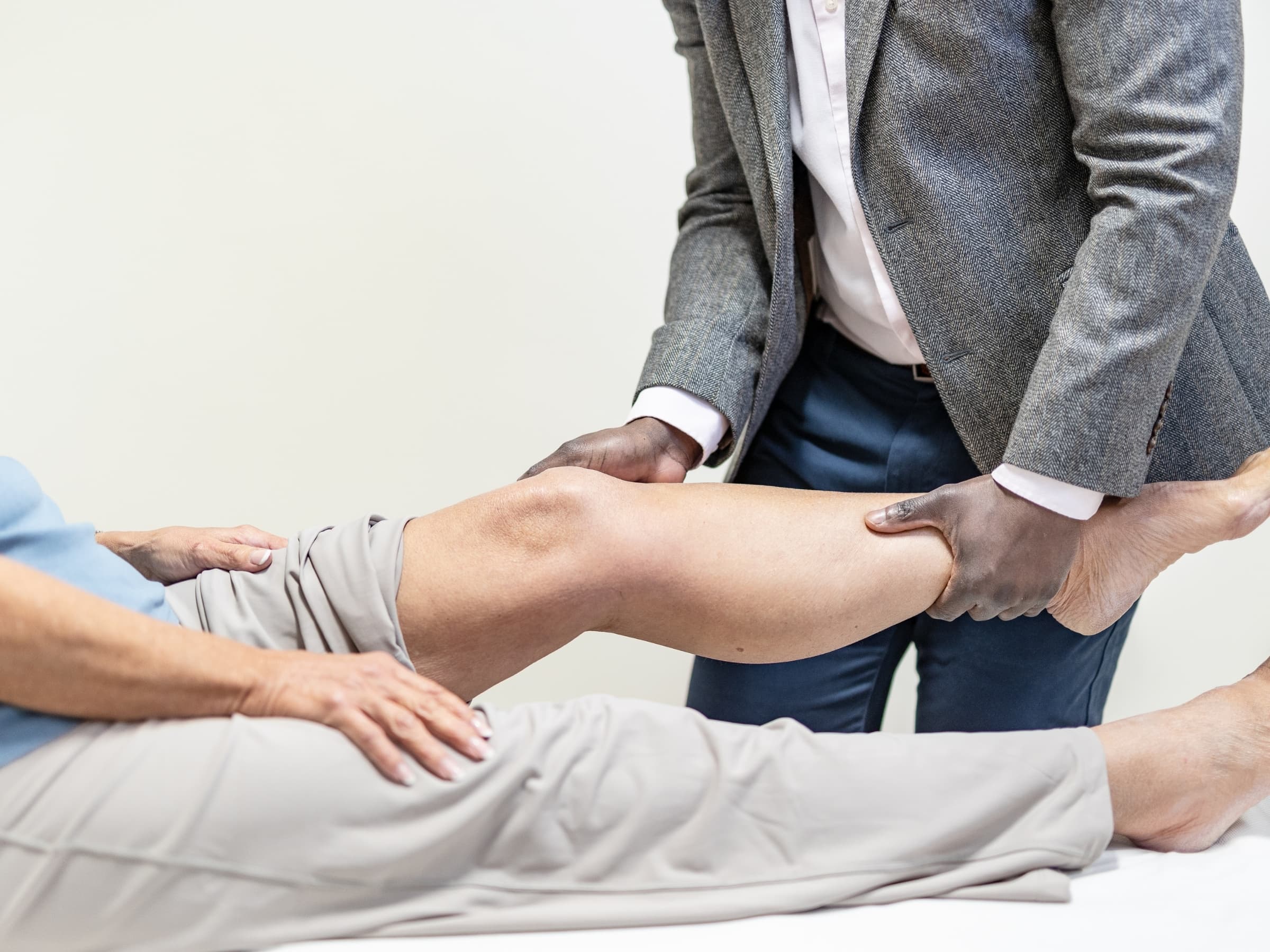
Not every meniscal tear needs surgery. Many tears, especially degenerative ones, settle with physiotherapy to build strength and calm the knee down, and that is usually where Mr Oni starts. Where there is associated arthritis, a steroid or Arthrosamid injection can ease pain and inflammation. When a tear keeps catching or locking the knee, or simply will not settle, a short keyhole operation, knee arthroscopy, can trim or repair the damaged cartilage. Mr Oni will recommend the right approach for your tear.
related treatments
Arthrosamid Injection
A non-surgical injectable treatment for knee osteoarthritis that can provide lasting relief from joint pain.

related treatments
Knee Arthroscopy
Keyhole knee surgery to diagnose and treat mechanical problems such as a torn meniscus, a loose fragment, or a knee that locks or catches.