.avif)

Symptoms
Understanding what's causing your hip pain, and how it can be treated. Mr Oni is a consultant hip and knee surgeon offering expert private diagnosis and care across Kent and the South East.
Hip pain explained
Hip pain is one of the most common reasons people seek specialist help, and it affects adults of all ages and activity levels. It can come on gradually or suddenly, and it is felt in different places for different reasons: sometimes deep in the groin, sometimes on the outside of the hip, and sometimes as pain that disturbs sleep or makes walking difficult. Because so many different problems can cause it, the cause is not always obvious from the symptoms alone.
The most common cause of persistent hip pain in adults is arthritis, but it can also come from soft-tissue problems such as hip bursitis, from pain following a previous hip replacement, or from the lower back rather than the hip joint itself. Getting the diagnosis right is the most important first step, which is why Mr Oni begins with a thorough assessment before recommending any treatment. Surgery is never the automatic answer.
Mr Oni is a consultant orthopaedic surgeon specialising exclusively in the hip and knee, offering private diagnosis and treatment across Kent and the South East. Most causes of hip pain are very treatable, and many do not need surgery at all. This guide explains the common causes of hip pain, what the location of your pain can tell you, and when it is worth seeing a specialist.

What causes hip pain
Hip pain has several possible causes, and because they are treated in very different ways, an accurate diagnosis always comes first. These are the causes Mr Oni sees most often. Your symptoms may point to more than one, which is why a proper assessment matters.
Pain felt in the hip, buttock or thigh sometimes comes from the lower back or spine rather than the hip joint itself, including lower back pain, pain down the leg, and sciatica-type pain. Identifying the true source is part of Mr Oni's assessment, so you are directed to the right care from the start.
Pain felt in the hip, buttock or thigh sometimes comes from the lower back or spine rather than the hip joint itself, including lower back pain, pain down the leg, and sciatica-type pain. Identifying the true source is part of Mr Oni's assessment, so you are directed to the right care from the start.
Understanding your symptoms
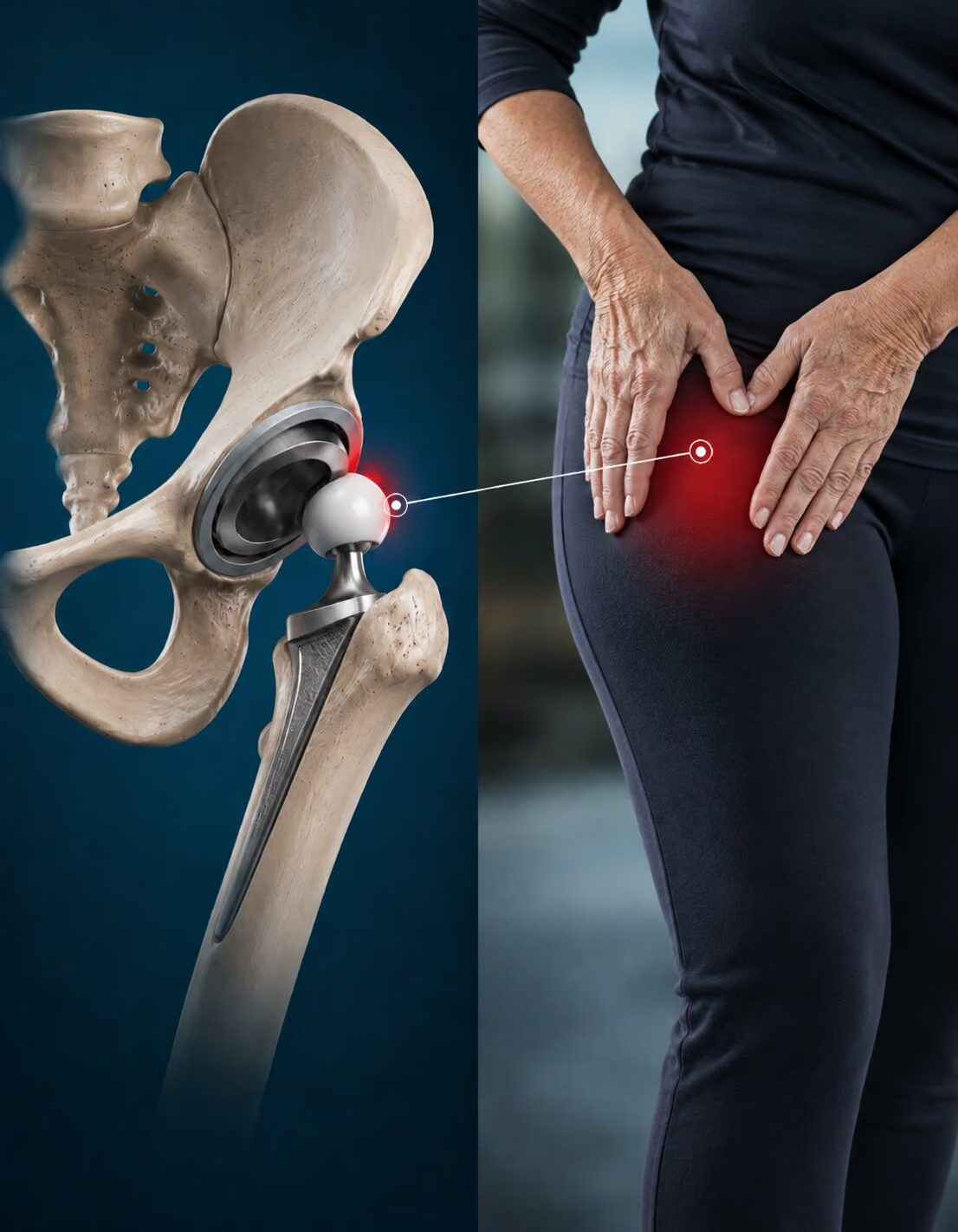
The location of your hip pain is one of the biggest clues to what is causing it. Here is what the most common patterns can point to.
Deep in the groin or front of the thigh, the classic pattern of hip arthritis. Worse when walking or getting up from a chair.
Tender to touch, worse lying on that side. Usually the soft tissues, the typical pattern of hip bursitis.
Disturbs sleep, especially lying on the affected side. Common with both arthritis and bursitis, and a sign to be assessed.
Comes on with walking or stairs, eases with rest. Typical of hip arthritis, often with a shorter walking distance over time.
When to seek help
Many aches settle on their own, and it is not always necessary to rush to a specialist. But some signs suggest it is worth being assessed sooner rather than later, because earlier diagnosis usually means simpler, more effective treatment.
Signs it is worth being seen

Not sure what's wrong?
Many patients come to Mr Oni unsure what's causing their hip pain. That's exactly what the first consultation is for. Describe your symptoms and Mr Oni will take it from there, clearly and without pressure.
Getting a diagnosis
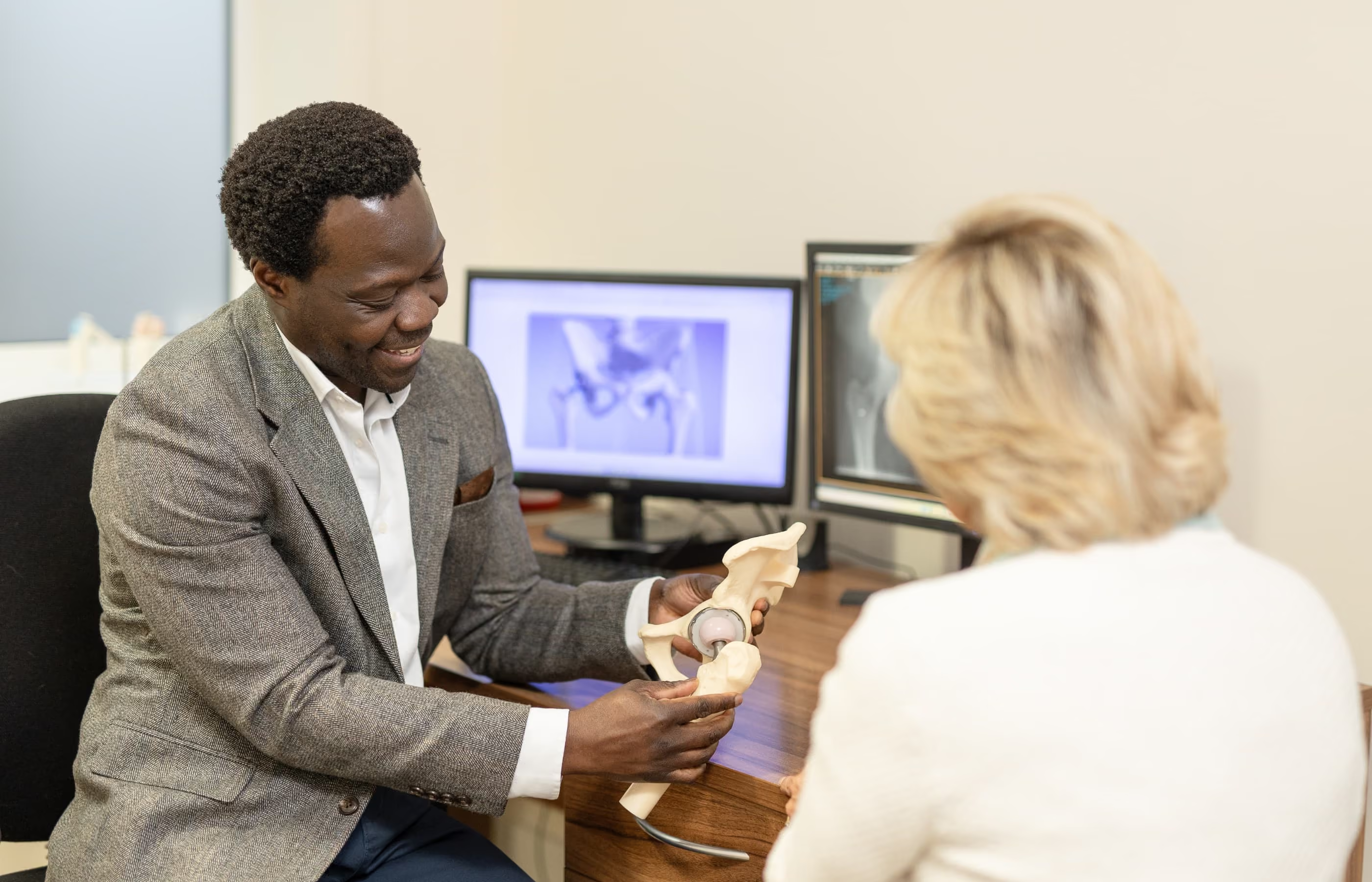
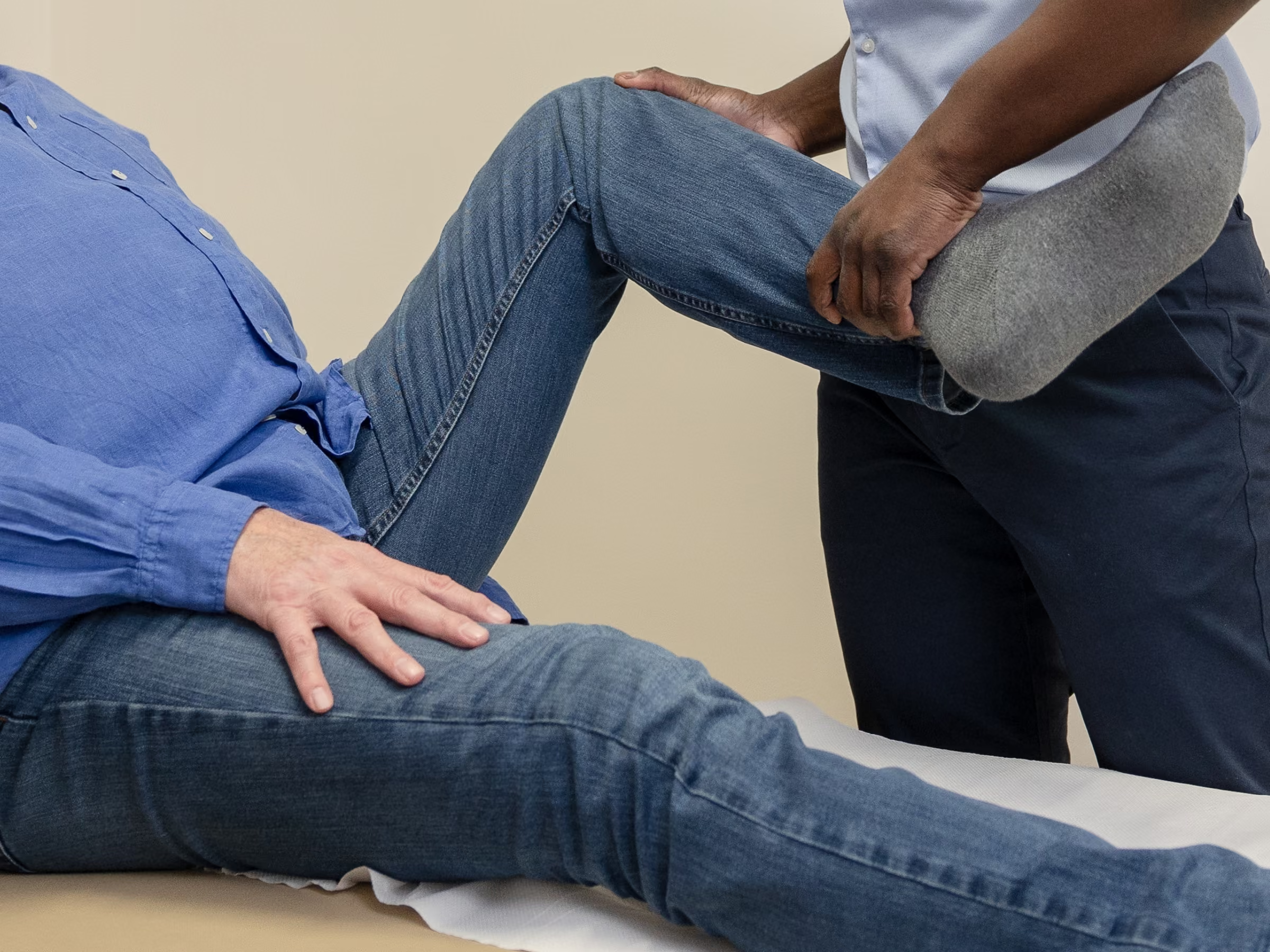
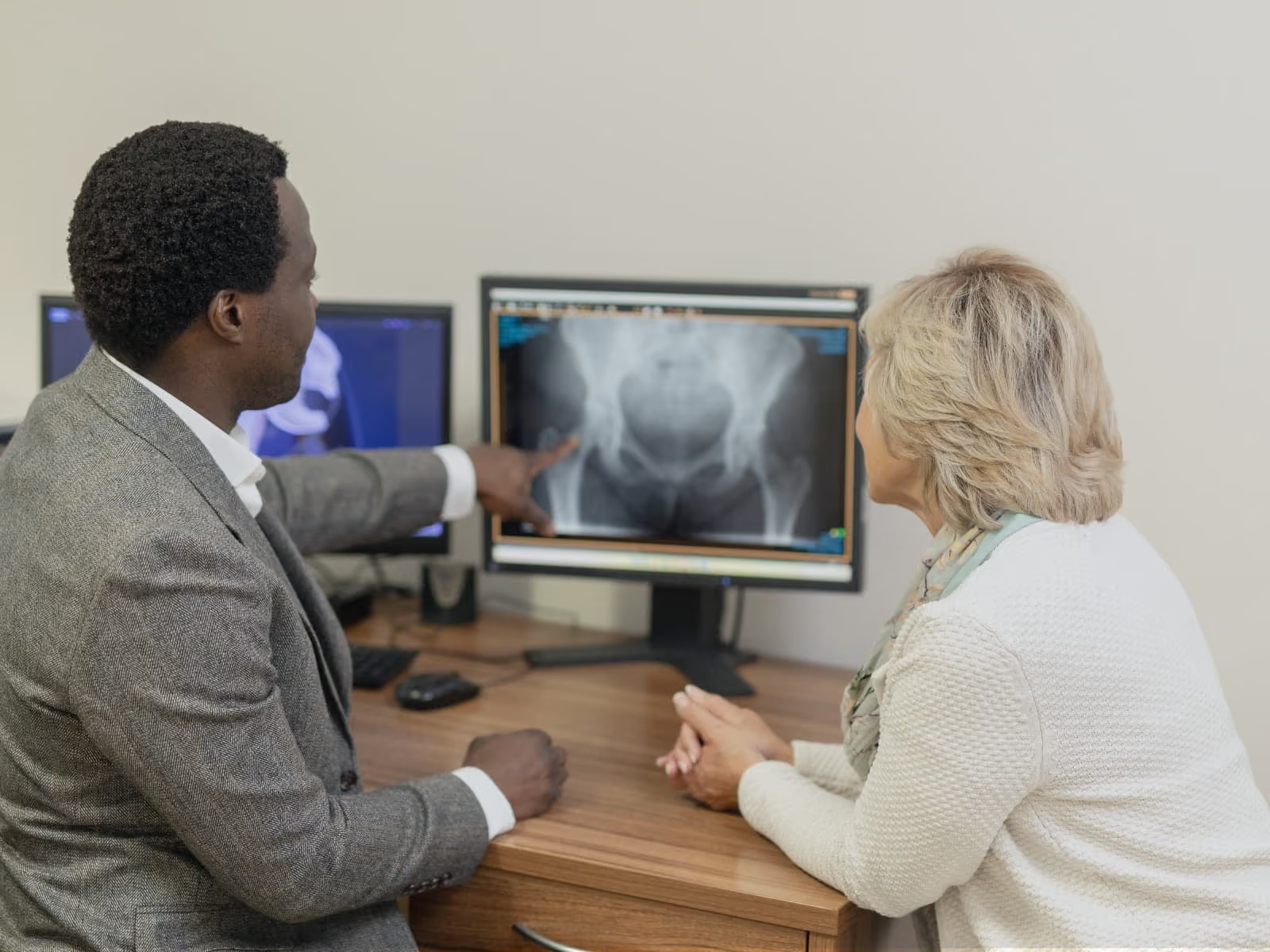

How hip pain is treated
Most hip pain is managed without surgery, and the right treatment depends entirely on the cause. For non-surgical care such as physiotherapy and injections, Mr Oni works with trusted partners. When surgery is the right step, he specialises in hip replacement and revision surgery.
For advanced hip arthritis that no longer responds to non-surgical care, a hip replacement relieves pain and restores movement. Mr Oni performs around three times the national average number of hip replacements each year, with outcomes recorded on the National Joint Registry.
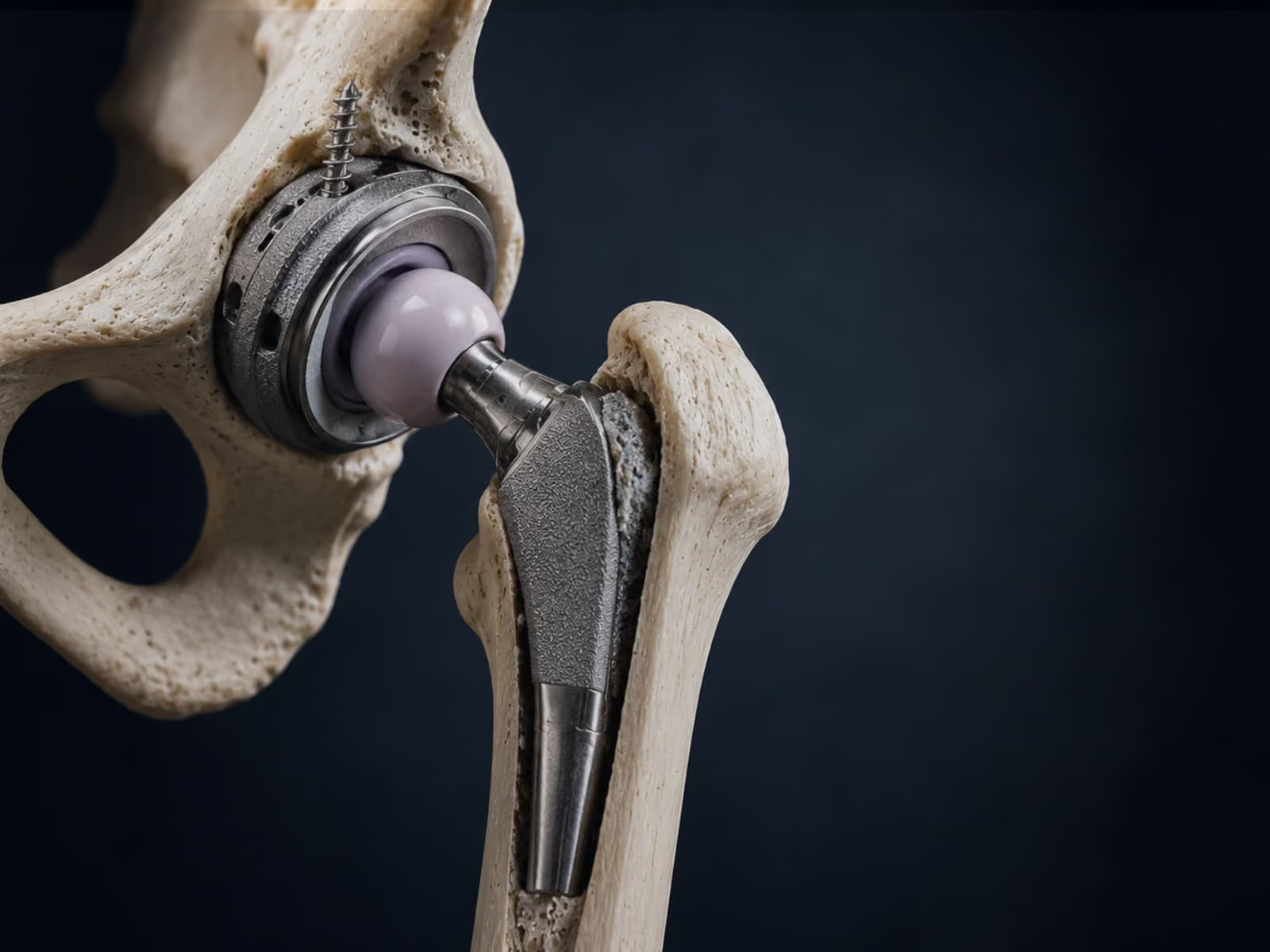
When a previous hip replacement causes pain or instability, or has worn or loosened over time, revision surgery puts it right. Mr Oni is the regional lead for revision hip surgery in East Kent and regularly takes on complex cases.
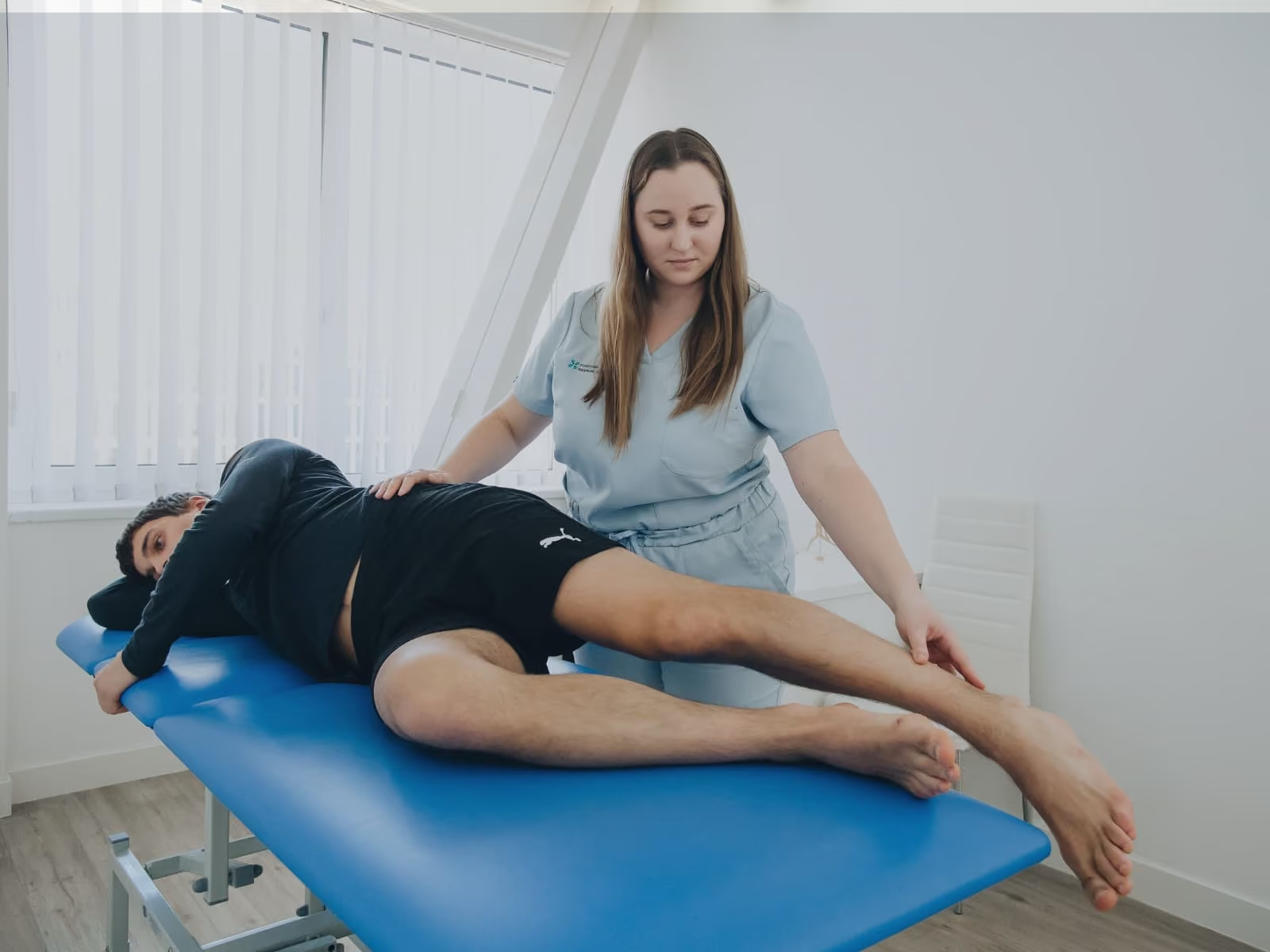
Not everyone needs surgery. For physiotherapy, injection therapy, and other non-surgical care, Mr Oni works alongside trusted specialist partners and will refer you to the right one for your condition.
For many everyday flare-ups, rest, gentle movement, and simple pain relief help settle symptoms in the short term. What works best depends on the cause, though, so lasting relief usually comes from an accurate diagnosis rather than a quick fix. If your hip pain keeps returning, it is worth booking an assessment.
Yes, some hip pain settles on its own, particularly minor strains and short-lived flare-ups. Pain that is persistent, worsening, or affecting your sleep and daily life is less likely to resolve without treatment, and is worth having looked at. Being seen early does not commit you to anything.
In many cases gentle activity is helpful and staying mobile matters, but pain that is sharp, worsening, or stops you walking normally is a sign to ease off and seek advice. Mr Oni can tell you what is safe for your particular hip, rather than leaving you to guess.
Night pain is common with both hip arthritis and hip bursitis, partly because lying still allows the joint to stiffen and lying on the affected side puts pressure on it. Hip pain that regularly disturbs your sleep is one of the clearer signs that it is worth being assessed.
Hip pain often develops with no obvious injury. The most common reason is hip arthritis, where the joint wears gradually over time, but it can also come from bursitis, or be referred from the lower back. An examination is the best way to find the cause when there has been no specific trigger.
Usually not. Most hip pain comes from common, treatable causes rather than anything serious. That said, pain that is severe, constant, or comes with symptoms such as fever or unexplained weight loss should be assessed promptly, so anything more significant can be ruled out.
get in touch
See Mr Oni at The Horder Centre, The Nuffield Hospital or The Vale Health Clinic.
Fill in the form below or get in touch directly:
Libby aims to respond to all requests within two working days

We accept most major UK private medical insurers, and welcome self-funding patients too.