.avif)
Treatments
A minimally invasive day-case operation that lets Mr Oni look inside the knee through two small incisions, diagnose the problem precisely, and treat it in the same procedure. Most patients walk out the same day and are back at a desk within a week.
about this treatment
A knee arthroscopy, also known as keyhole knee surgery and sometimes called knee cartilage surgery, is a minimally invasive operation.
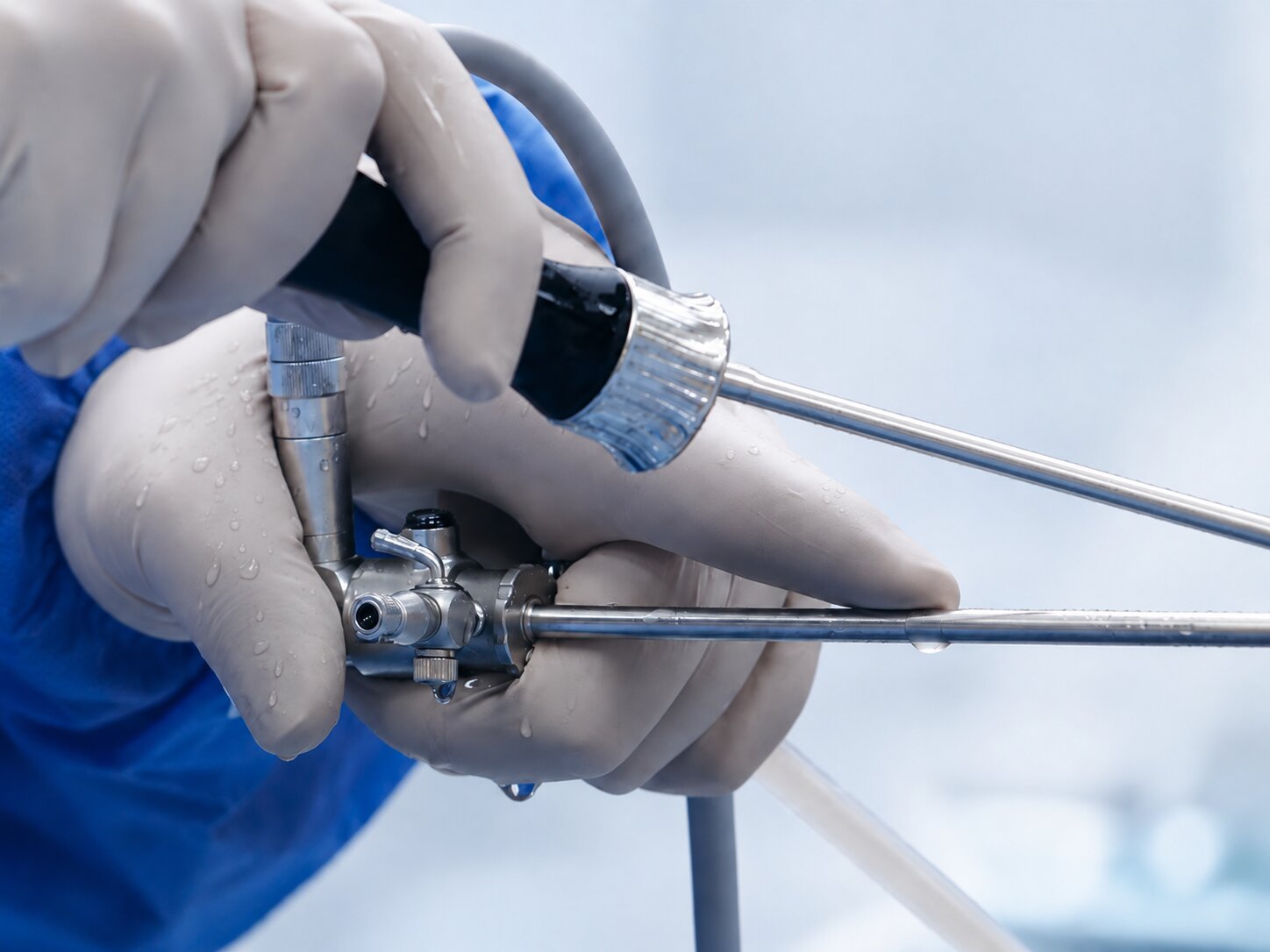
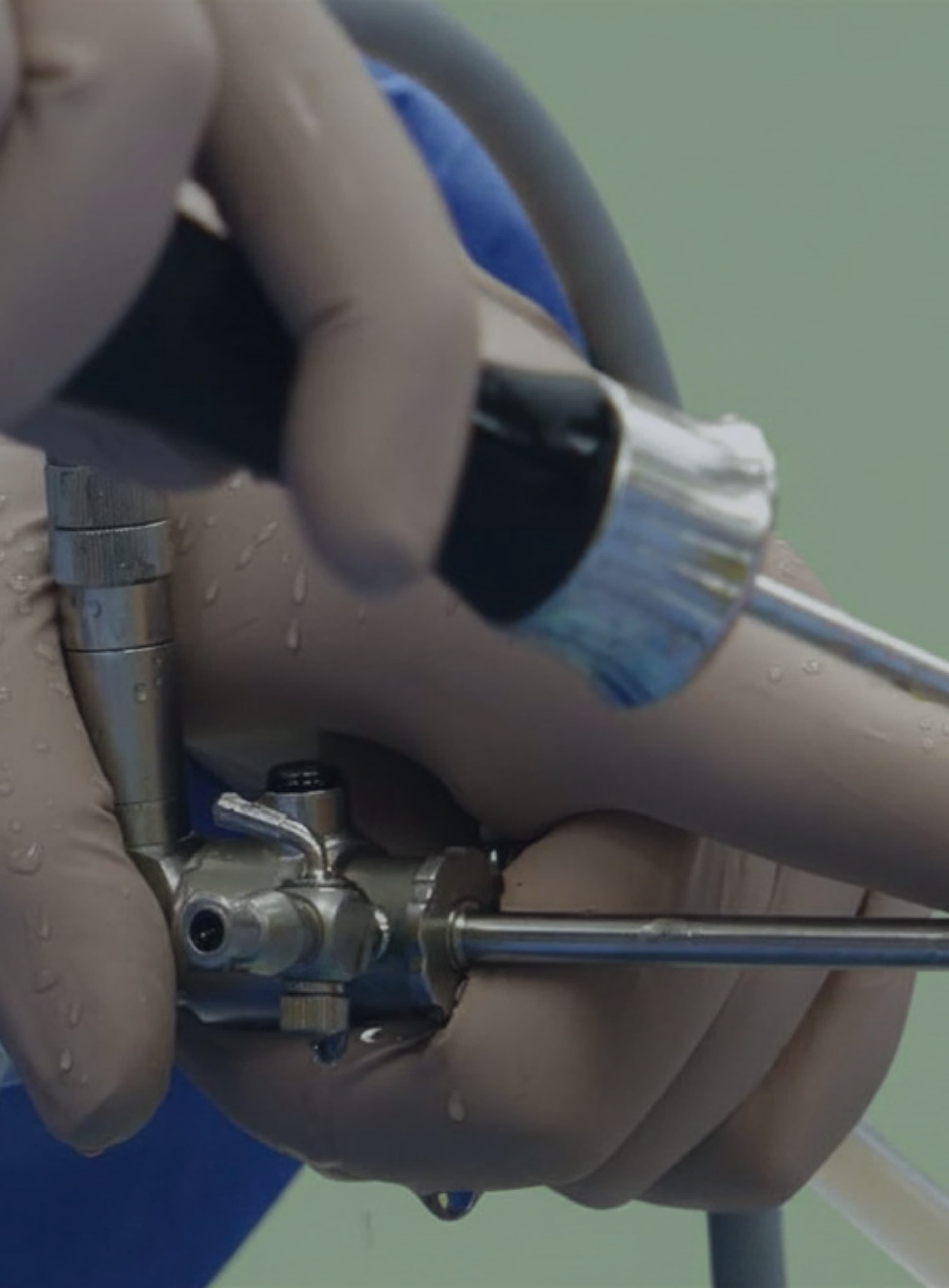
Through two small incisions, each only a few millimetres long, Mr Oni passes a thin camera (an arthroscope) into the joint and views the inside of the knee on a screen in high definition. Fine instruments are passed through a second incision to treat what is found, all in the same sitting.
It a common orthopaedic operation and is used to address mechanical problems inside the knee. The most frequent reasons are a torn meniscus (the cartilage cushion), a loose fragment of cartilage or bone floating in the joint, or a flap of tissue that catches as the knee bends. It can also help where stiffness or restricted movement is being caused by scar tissue inside the joint. Depending on what is found, Mr Oni may trim or repair a meniscal tear, remove a loose body, smooth damaged cartilage (a procedure known as arthroscopic debridement), or release scar tissue to restore movement.
It is important to be clear about what arthroscopy does and does not do. Keyhole surgery is very effective for true mechanical problems, but it is not a treatment for arthritis on its own.
Where the underlying issue is wear and tear, the evidence shows that simply washing out or debriding the joint does not give lasting relief, and Mr Oni will instead talk you through options such as injections or joint replacement. He will only recommend an arthroscopy when he genuinely expects it to help.
is this right for me?
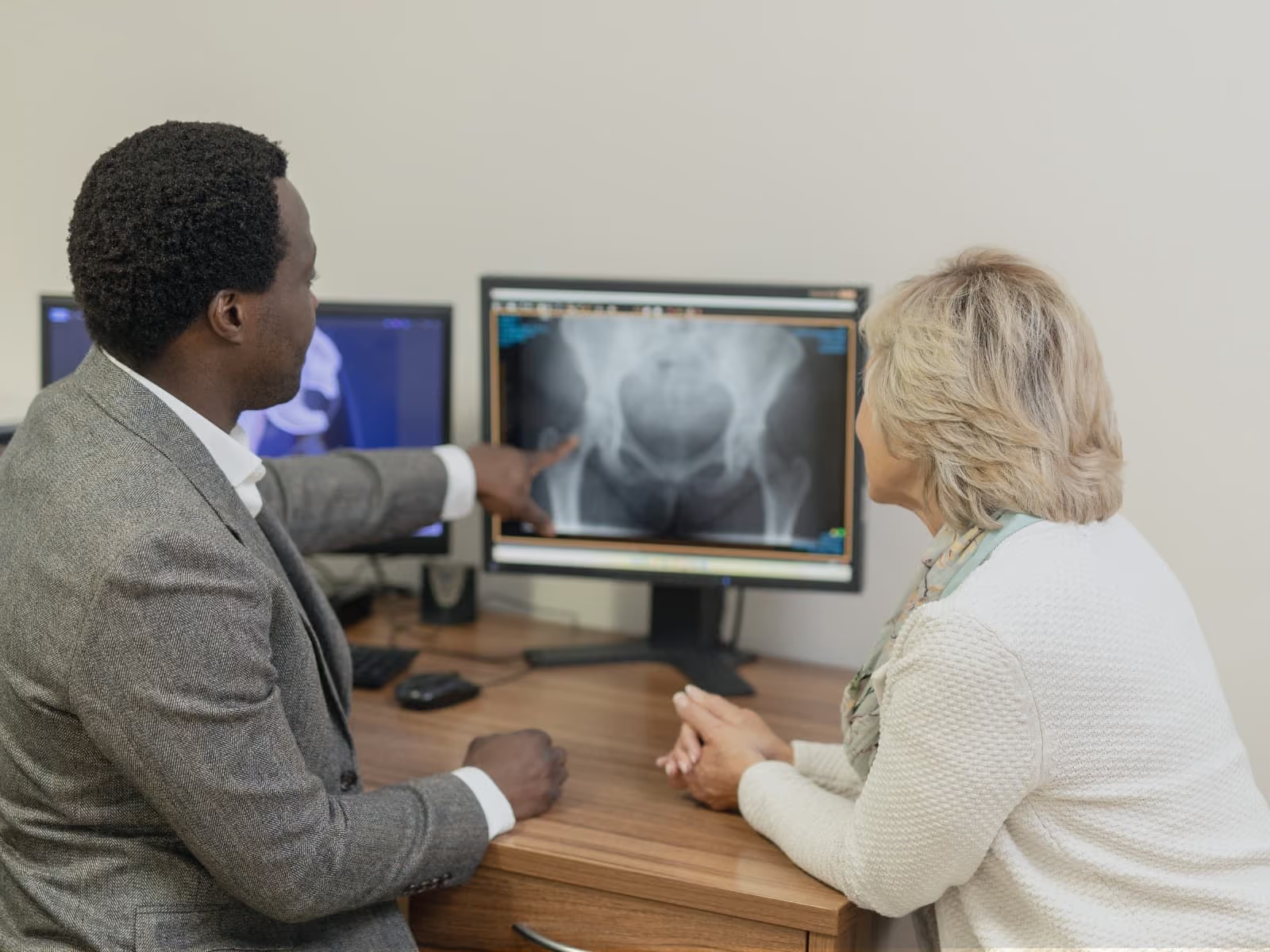
Arthroscopy works best when there is a specific mechanical problem to address. Mr Oni recommends it when the history, examination, and imaging all point to something inside the joint that surgery can correct, and not as a general fix for an arthritic knee.
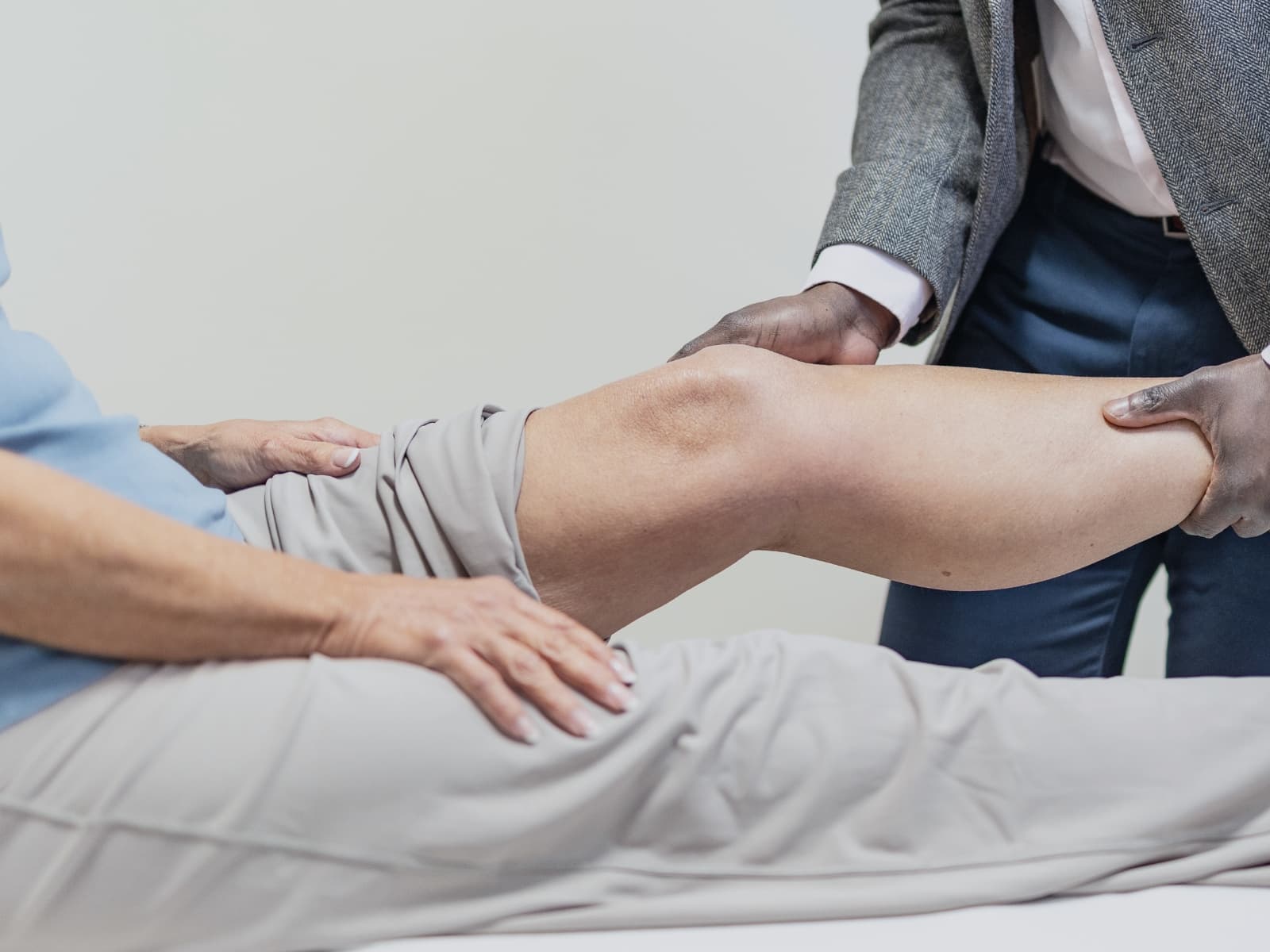
The knee jams, clicks, or catches, often caused by a torn meniscus or a loose fragment getting caught in the joint. These mechanical symptoms respond well to keyhole surgery.

A confirmed meniscus tear that has not improved with rest, physiotherapy, and time, and is still causing pain, swelling, or instability that limits daily life.
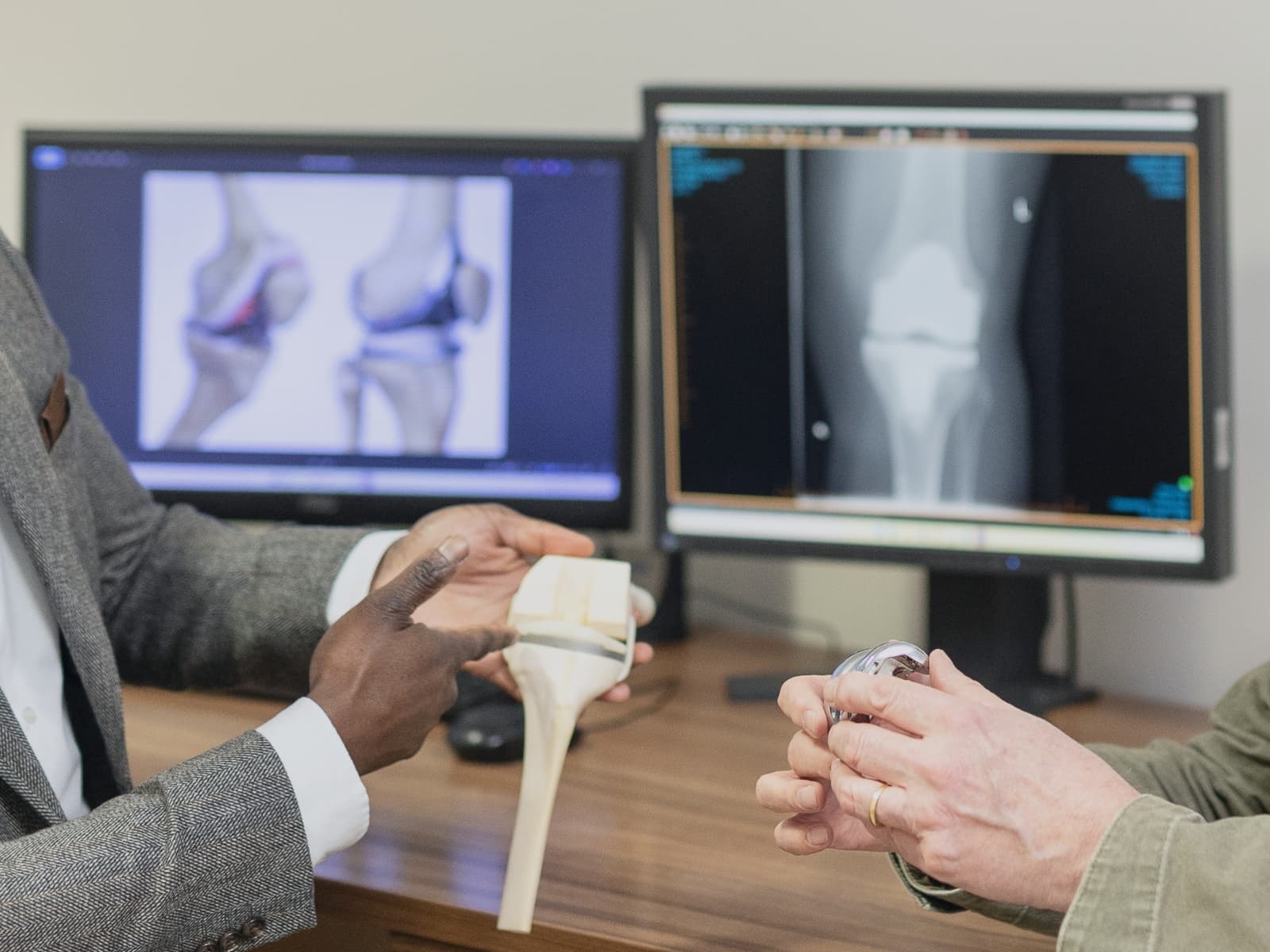
Examination and an MRI scan point to a problem arthroscopy can treat. Where the main issue is arthritis rather than a mechanical tear, Mr Oni will guide you towards more suitable options.
Not sure if you qualify?
Many patients come to Mr Oni uncertain whether their symptoms are "bad enough" for treatment. The answer always comes from a proper clinical assessment - not from a website. Book a consultation and Mr Oni will give you an honest view.
outcomes
the benefits and outcomes that are typically expected with this treatment. giving you realistic expectations are important to ensure you go into any treatment fully informed.
Keyhole surgery through two small incisions means less pain, minimal scarring, and a gentler recovery than open surgery.
A day-case procedure, so most patients are discharged a few hours after surgery with no overnight hospital stay.
The camera lets Mr Oni confirm exactly what is wrong inside the knee and treat it in the same procedure, avoiding a second operation.
Most patients walk the same day and are back to desk-based work within about a week, far sooner than after open surgery.
Recovery time after a knee arthroscopy is usually quick, but it depends on what was done inside the knee. Trimming a meniscal tear (a meniscectomy) recovers faster than repairing one, which needs to be protected for longer. Mr Oni gives you a personalised timeline at your consultation.
Rest with the leg elevated and ice to control swelling. You can put weight through the knee and walk, using crutches at first if it feels more comfortable.
Swelling settles and many patients are back to desk-based work within a week. Driving is usually possible once you can perform an emergency stop without hesitation, often around one to two weeks.
You will usually see Mr Oni for a follow-up at around two weeks, where he reviews your progress and talks through what was found during the operation. Guided physiotherapy rebuilds strength and movement, and walking distance and everyday activity steadily increase as the knee settles.
Most patients return to sport and more demanding activity from around four to eight weeks after a meniscal trim. A meniscal repair is protected for longer, with a slower, staged return.
YOU MAY ALSO WANT TO EXPLORE
A non-surgical injectable treatment for knee osteoarthritis that can provide lasting relief from joint pain.
YOU MAY ALSO WANT TO EXPLORE
Replacing the damaged joint surfaces can relieve pain and restore movement.
YOU MAY ALSO WANT TO EXPLORE
Resurfacing only the worn part of the knee to relieve pain and restore movement.
.jpeg)
Most people are walking the same day and back to desk-based work within a week. A return to sport is typically around four to eight weeks if a tear was trimmed, and longer if a meniscus was repaired, as a repair needs more time to heal. Your exact timeline depends on what was done inside the knee.
For genuine mechanical problems, such as a locking knee, a loose fragment, or a meniscal tear that catches, keyhole surgery is very effective and relief is often immediate. It is far less effective when the underlying problem is arthritis, which is why Mr Oni assesses each knee carefully and only recommends arthroscopy when he expects a real benefit.
The cost depends on the hospital and whether you are self-funding or using private medical insurance. Mr Oni's team can provide a clear, itemised quote at your consultation.
Many patients do not need crutches at all, while others prefer them for the first day or two for confidence and comfort. You are usually able to put your full weight through the knee straight away, unless Mr Oni advises otherwise after a meniscal repair.
No, arthroscopy is not a treatment for arthritis on its own. The evidence shows that washing out or debriding an arthritic knee does not provide lasting relief. Where wear and tear is the main problem, Mr Oni will discuss more effective options such as Arthrosamid injections or, in advanced cases, knee replacement.
No, it is a minimally invasive, keyhole procedure carried out through two small incisions, usually as a day case, and far less invasive than open surgery. As with any operation there are some risks, including infection, blood clots, and ongoing swelling or stiffness, but serious complications are uncommon. Mr Oni discusses these with you fully before you decide.
Mr Oni consults and operates at several leading private hospitals across the region, so you can choose the location most convenient for you.
get in touch
See Mr Oni at The Horder Centre, The Nuffield Hospital or The Vale Health Clinic.
Fill in the form below or get in touch directly:
Libby aims to respond to all requests within two working days

We accept most major UK private medical insurers, and welcome self-funding patients too.