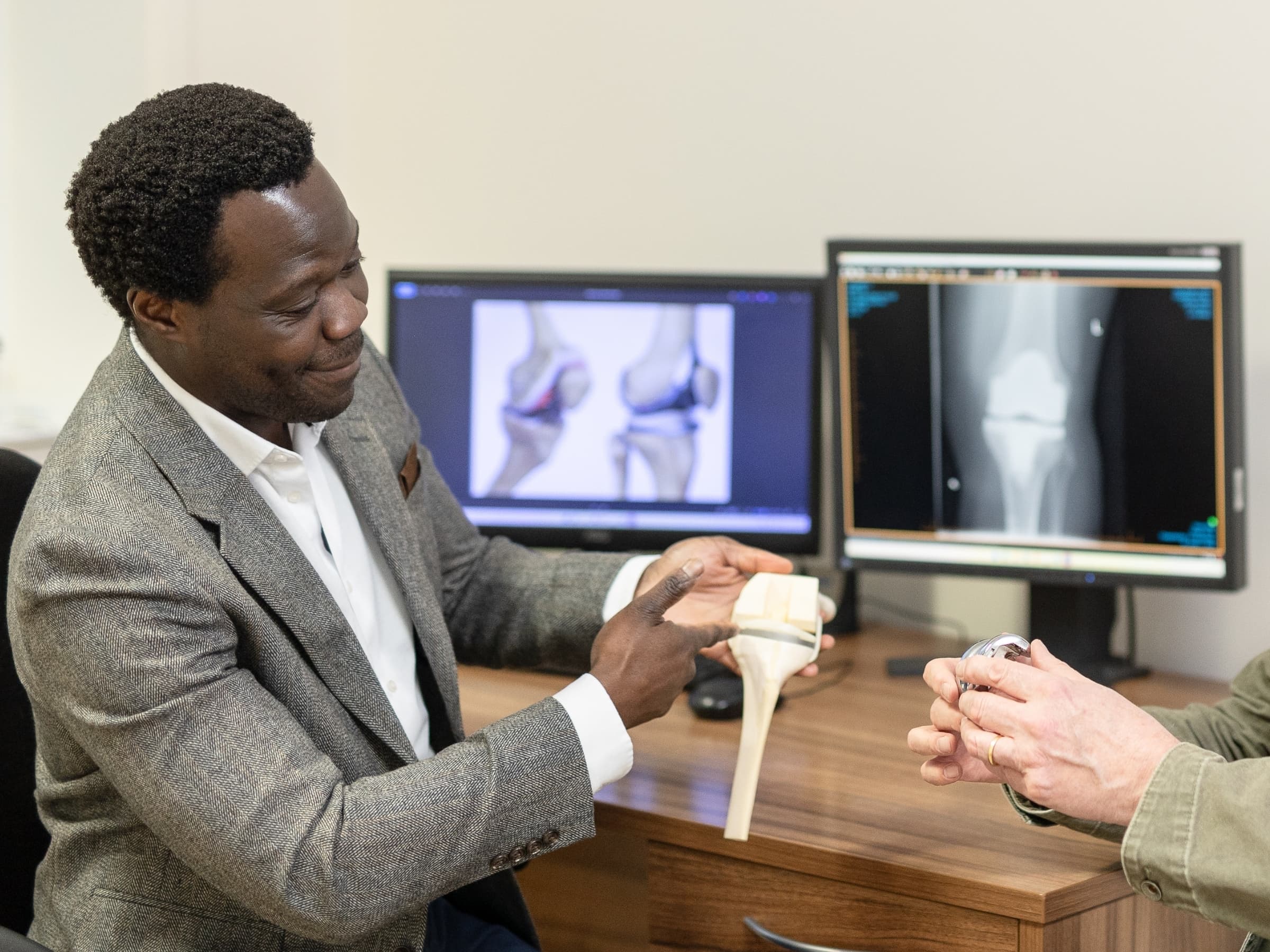
Mr Oni looking at a knee model while at his desk and pointing to a particular area on the model.

conditions

Runner's Knee

An ache around or behind the kneecap that flares with running, stairs, or sitting for a while. Runner's knee is one of the most common knee complaints in active people, and the great majority settle with the right rehabilitation, not surgery. Mr Oni will help you get back to running.

What is runner's knee?

Runner's knee: pain around the kneecap, also called patellofemoral pain

Runner's knee is the common name for pain around or behind the kneecap, known medically as patellofemoral pain. Despite the name it does not only affect runners, it is common in anyone active, and in people who do a lot of stairs, squatting or kneeling. The pain comes from the way the kneecap moves against the thigh bone, rather than from any single injury.

It usually builds up gradually as an overuse problem. When the muscles that control the kneecap, particularly the thigh and hip muscles, are not quite balanced, or when training is increased too quickly, the kneecap tracks slightly off and the surfaces become irritated. Tight tissues, footwear and running technique can all play a part.

The reassuring news is that runner's knee is very treatable and almost never needs surgery. With the right rehabilitation, the great majority of people settle their symptoms and get back to the activity they enjoy.

knee with sports tape across the kneecap

Recognising the condition

Common symptoms of runner's knee

Runner's knee usually causes a dull ache around or behind the kneecap. It is typically worse during or after running, going down stairs or hills, squatting, or after sitting for a long time with the knee bent, which is sometimes called the cinema sign. Many people also notice a grinding or clicking around the kneecap. These are the signs and symptoms patients most commonly notice.

Ache around the kneecap

A dull ache felt around or behind the kneecap, rather than in one sharp spot.

Worse with running

Pain that comes on during or after running, especially as distance or pace increases.

Pain going downstairs and downhill

Discomfort going down stairs or hills, when the kneecap is under most load.

Pain after sitting

An ache after sitting for a long time with the knee bent, sometimes called the cinema sign.

Pain on squatting or kneeling

Discomfort when squatting, kneeling or getting up from low down.

Grinding or clicking

A grinding, clicking or rubbing sensation around the kneecap as the knee bends.

A feeling of giving way

The knee occasionally feeling as though it might buckle, usually from pain rather than true instability.

Swelling or puffiness

Mild swelling or puffiness around the front of the knee after activity.

Pain around the kneecap can occasionally come from other problems, including early arthritis behind the kneecap, a tendon issue, or referred pain. Getting the diagnosis right means the rehabilitation is aimed at the real cause, and Mr Oni will confirm this at your assessment.

Runner's knee is an overuse problem rather than the result of a single injury. It develops when the kneecap is put under more load than the surrounding muscles can comfortably control, so the surfaces behind the kneecap become irritated over time.

The most common factor is an imbalance or weakness in the muscles that steady the kneecap, particularly the thigh muscles and the muscles around the hip and buttock. When these are not pulling evenly, the kneecap tracks slightly off centre. Doing too much too soon, a sudden increase in running or training, is the other classic trigger.

Tight muscles and tissues, the shape and alignment of the legs, footwear and running technique can all add to the load on the kneecap. Because so much of this is about how the knee is loaded and controlled, it usually responds very well to the right rehabilitation.

Overuse and overload

Too much too soon, a sudden increase in running or training, loads the kneecap faster than it can adapt.

Muscle imbalance or weakness

Weakness in the thigh, hip and buttock muscles lets the kneecap track off centre, and the surfaces become irritated.

Biomechanics and technique

Leg alignment, tight tissues, footwear and running style can all add to the load on the kneecap.

causes and types

What causes runner's knee?

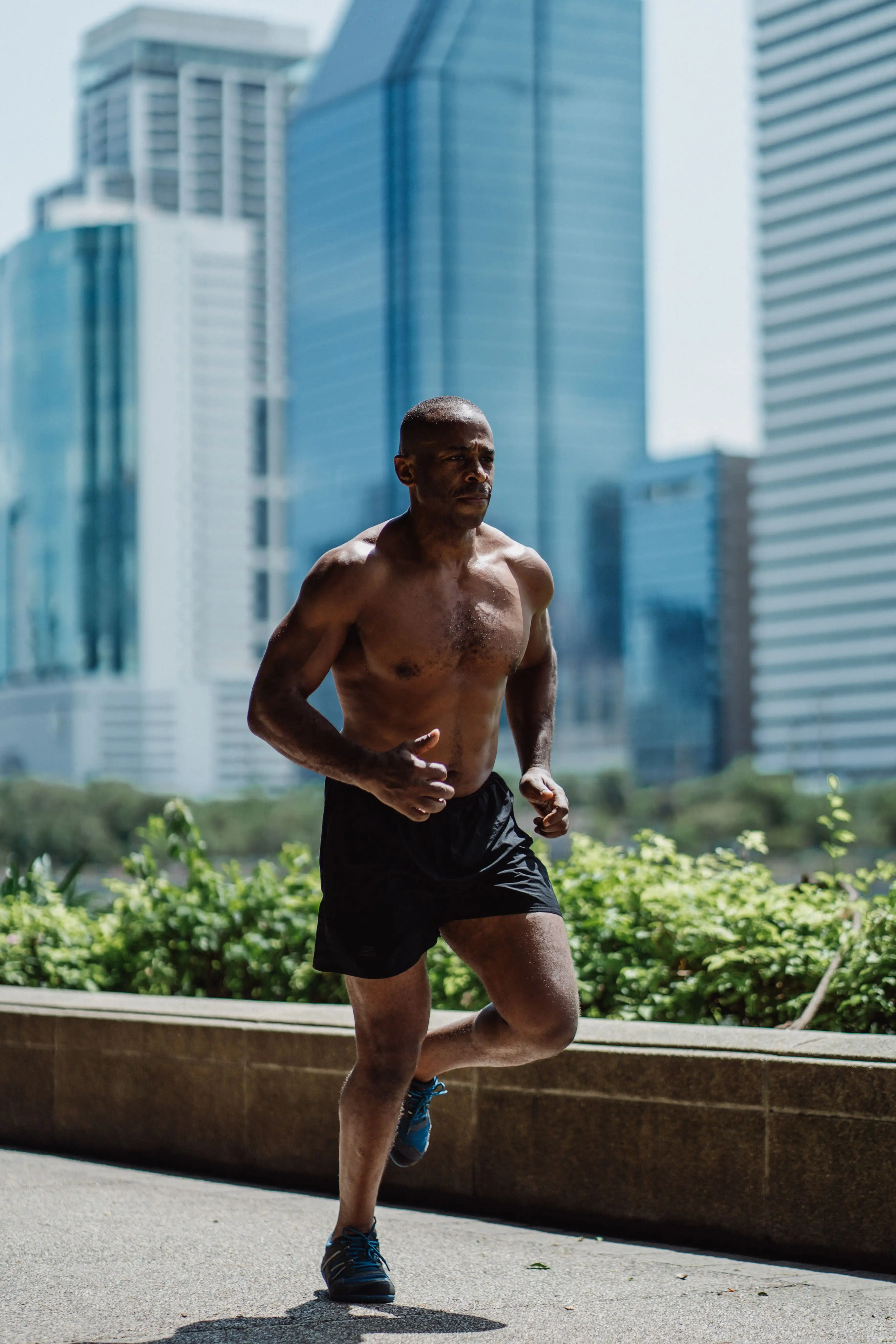
A man with no top on running in the city. there are skyscrapers behind him and he is running on the pavement.

how mr oni Helps

diagnosis & Next Steps

Getting the diagnosis right comes first. Mr Oni can usually diagnose runner's knee from your symptoms and an examination, checking how the kneecap moves and tracks, the strength and balance of the surrounding muscles, and ruling out other causes of knee pain. Scans are not always needed, but an X-ray or MRI may be arranged if anything else is suspected. That way your rehabilitation is aimed at the real cause.

01

consultation

A thorough consultation reviewing your symptoms, movement, and any existing imaging. No assumptions, no rushed conclusions.

02

clinical examination

A hands-on assessment of the joint - checking movement, strength and what triggers your pain - to understand exactly what's going on.

03

imaging

Where needed, an X-ray or scan to confirm the diagnosis and see the joint clearly, so nothing is left to guesswork.

04

treatment plan

Every option considered. From load management and physiotherapy to further investigations and surgical options. A plan built around your lifestyle and goals, not a one-size-fits-all protocol.

}

with the right treatment

life after treatment

Back to running

With the kneecap settled and the muscles rebalanced, most people return to running and the activities they enjoy.

Pain-free on stairs again

Stairs, hills and squatting stop being the moments that flare the knee.

Comfortable sitting

The ache after sitting with the knee bent settles, so journeys and the cinema are comfortable again.

Confidence in the knee

Moving without guarding the knee or worrying the pain will return.

Recognising the condition

How runner's knee is treated

Runner's knee is almost always treated without surgery, and the foundation is rehabilitation. A tailored physiotherapy programme to strengthen and rebalance the thigh, hip and buttock muscles is the single most effective treatment, alongside adjusting training load and, where it helps, looking at footwear and running technique. Most people improve steadily over a few weeks to a few months. Surgery is very rarely needed, and Mr Oni will guide you on the plan most likely to get you back to activity.

Patient Stories

Hear from patients who have undergone investigations and treatments for their hip and knee problems with Mr Oni.

★ ★ ★ ★ ★

Mr Richard M.

Mr Oni explained everything clearly and the whole process was faultless. I was walking the corridors within two days and driving again in a fortnight. The scar is so neat you can hardly see it.

Treatment

Hip Replacement

★ ★ ★ ★ ★

Mr Robert F.

Mr Oni and the team were very professional throughout. The recovery was tough, but I stuck to the exercises and only needed over-the-counter painkillers. Two months on, I completed a nine-mile bike ride.

Treatment

Robotic Knee Replacement

★ ★ ★ ★ ★

Ms Liz.

Mr Oni and Libby are a really good team and made me feel completely comfortable. I'd been limping for a year, but almost marched into my follow-up. I've got my life back.

Treatment

Arthrosamid Injection

★ ★ ★ ★ ★

Mr Tony G.

Mr Oni gave me real confidence going into surgery, and I cannot fault my experience. I'm back to walking the dogs, gardening and farm work. The steep hills that once bothered me, now I don't even notice.

Treatment

Robotic Knee Replacement

★ ★ ★ ★ ★

Ms Zoe G.

Mr Oni and the team were incredibly supportive, kind and patient. I was walking with a frame the same day and dressing myself the next morning. Within two weeks I could pick my daughter up from school.

Treatment

Hip Replacement

★ ★ ★ ★ ★

Mr Ian F.

Mr Oni recommended the Arthrosamid injection and everything has been brilliant. Two weeks later I was rotovating the garden for two hours. It felt like some sort of miracle, I didn't notice I'd had bad knees.

Treatment

Arthrosamid Injection

Take the next step

Book a consultation to get back to running

If pain around the kneecap is stopping you running or training, Mr Oni will confirm what is going on and set you on the right path back. Runner's knee almost always settles with the right rehabilitation, and he will make sure your programme is aimed at the real cause. No pressure, no assumptions.

locations

Mr Oni consults and operates at several leading private hospitals across the region, so you can choose the location most convenient for you.

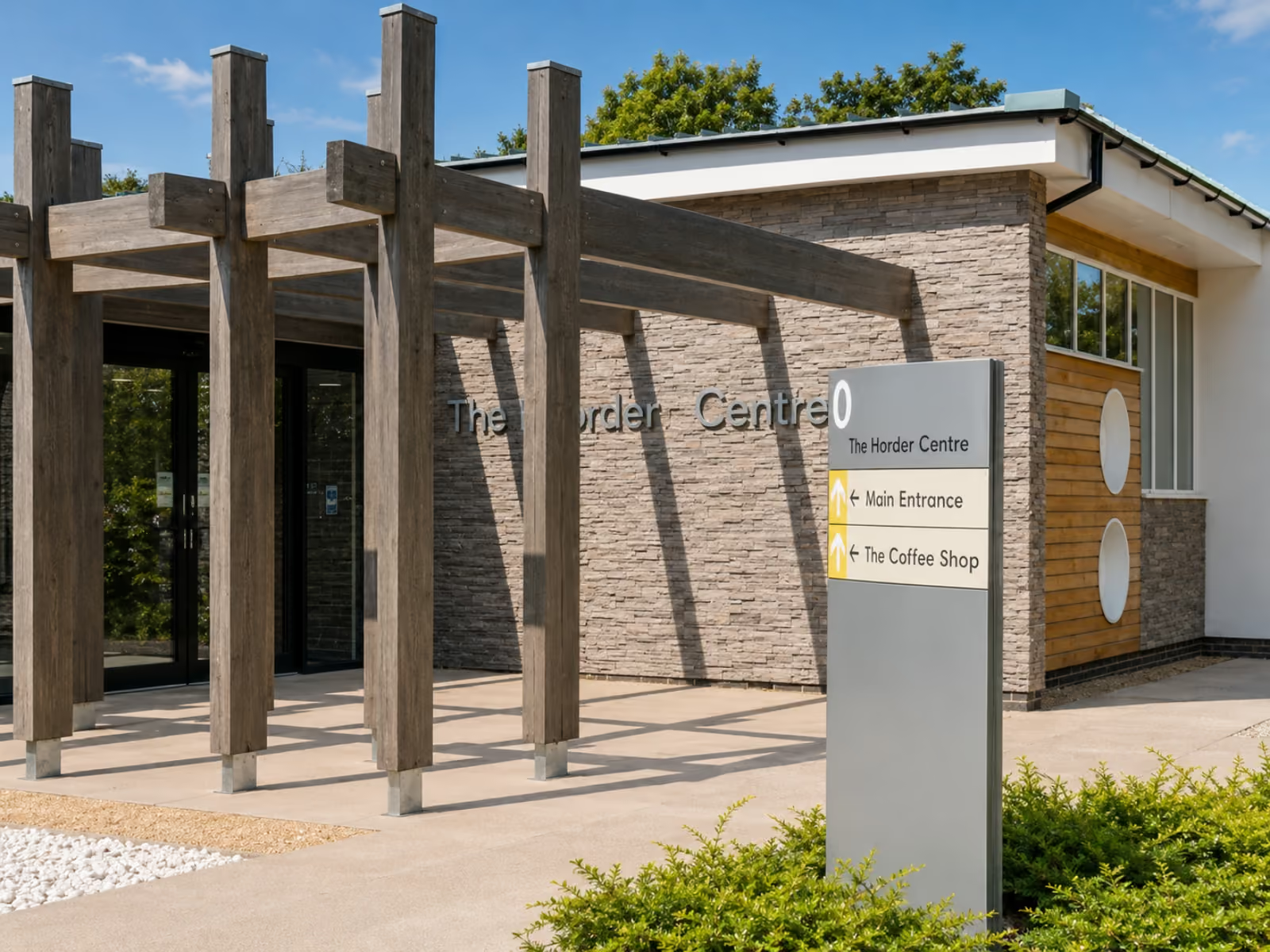
Exterior Image of The Horder Centre Crowborough East Sussex

The Horder Centre

St John's Road
Crowborough
East Sussex
TN6 1XP

Exterior Image of the Nuffield Health Private Hospital in Tunbridge Wells

Nuffield Health

Kingswood Road
Tunbridge Wells
Kent
TN2 4UL

Exterior Image of the Vale Health Clinic in Tunbridge Wells, Kent

Vale Health Clinic

31-33 Vale Road
Tunbridge Wells
Kent
TN1 1BS

Frequently asked questions

Runner's knee is the common name for pain around or behind the kneecap, known medically as patellofemoral pain. It is an overuse problem caused by the way the kneecap moves against the thigh bone, and despite the name it affects many active people, not just runners.

The key is rehabilitation. A physiotherapy programme to strengthen and rebalance the thigh, hip and buttock muscles, along with adjusting how much you are doing, settles the great majority of cases. Footwear and running technique are worth looking at too, and surgery is very rarely needed.

Many people notice an improvement within a few weeks of starting the right rehabilitation, with fuller recovery often taking a couple of months. Sticking consistently with the strengthening programme is the single biggest factor in getting better and staying better.

Strengthening the thigh muscles and the muscles around the hip and buttock is the most effective approach, along with gentle stretching of any tight structures. A physiotherapist can tailor these to you, and it is best to build up gradually rather than push through sharp pain.

Often you can keep running in a reduced or modified way if the pain is mild and not getting worse, and cross-training can help maintain fitness. If the pain is sharp or worsening, it is better to ease off and let it settle. A physiotherapist can guide a safe return.

Almost never. The great majority of runner's knee settles with rehabilitation. Surgery is only considered for specific underlying problems that do not respond to a thorough course of non-surgical treatment.

get in touch

Book your initial
consultation

See Mr Oni at The Horder Centre, The Nuffield Hospital or The Vale Health Clinic.

Fill in the form below or get in touch directly:

Thank you - your request has been received.
Oops! Something went wrong while submitting the form. Please try again or contact Libby directly.

Libby aims to respond to all requests within two working days

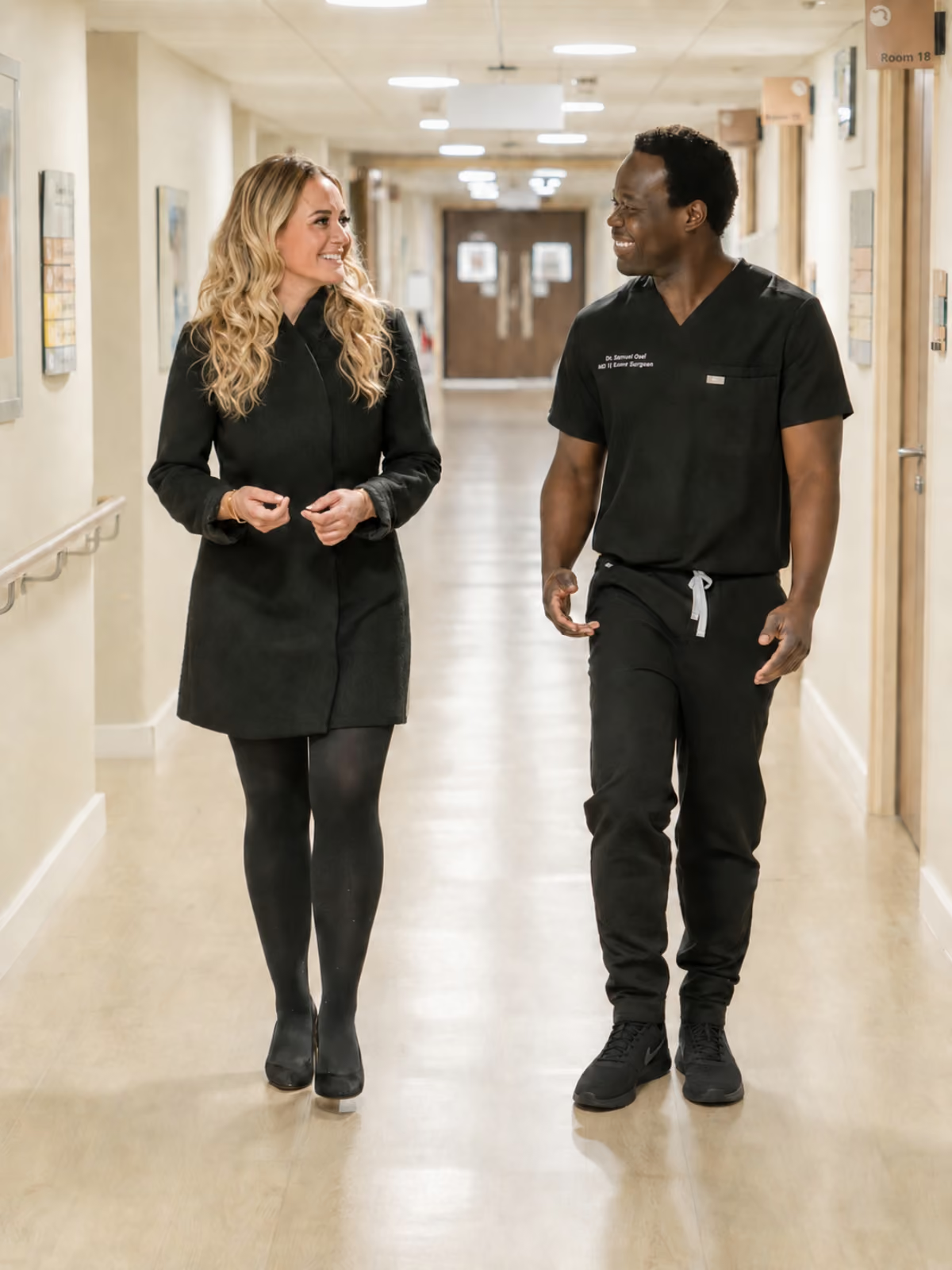
Mr Oni walking with his practice manager in a hospital corridor
Accepted Insurers

We accept most major UK private medical insurers, and welcome self-funding patients too.

We’re committed to keeping your information safe. By submitting this form, you agree that we’ll use your details to respond to your enquiry. If you’re asking about accessing services, we might need to follow up with a few extra questions. You can read more about how we handle your information in our Privacy Policy.