.avif)

Treatments
Replacing or repairing a hip implant that has worn, loosened, or failed. Mr Oni is the regional lead for the revision hip service, leading the MDT at East Kent Hospitals, and he is a recognised referral point for the complex cases other surgeons send on.
about this treatment
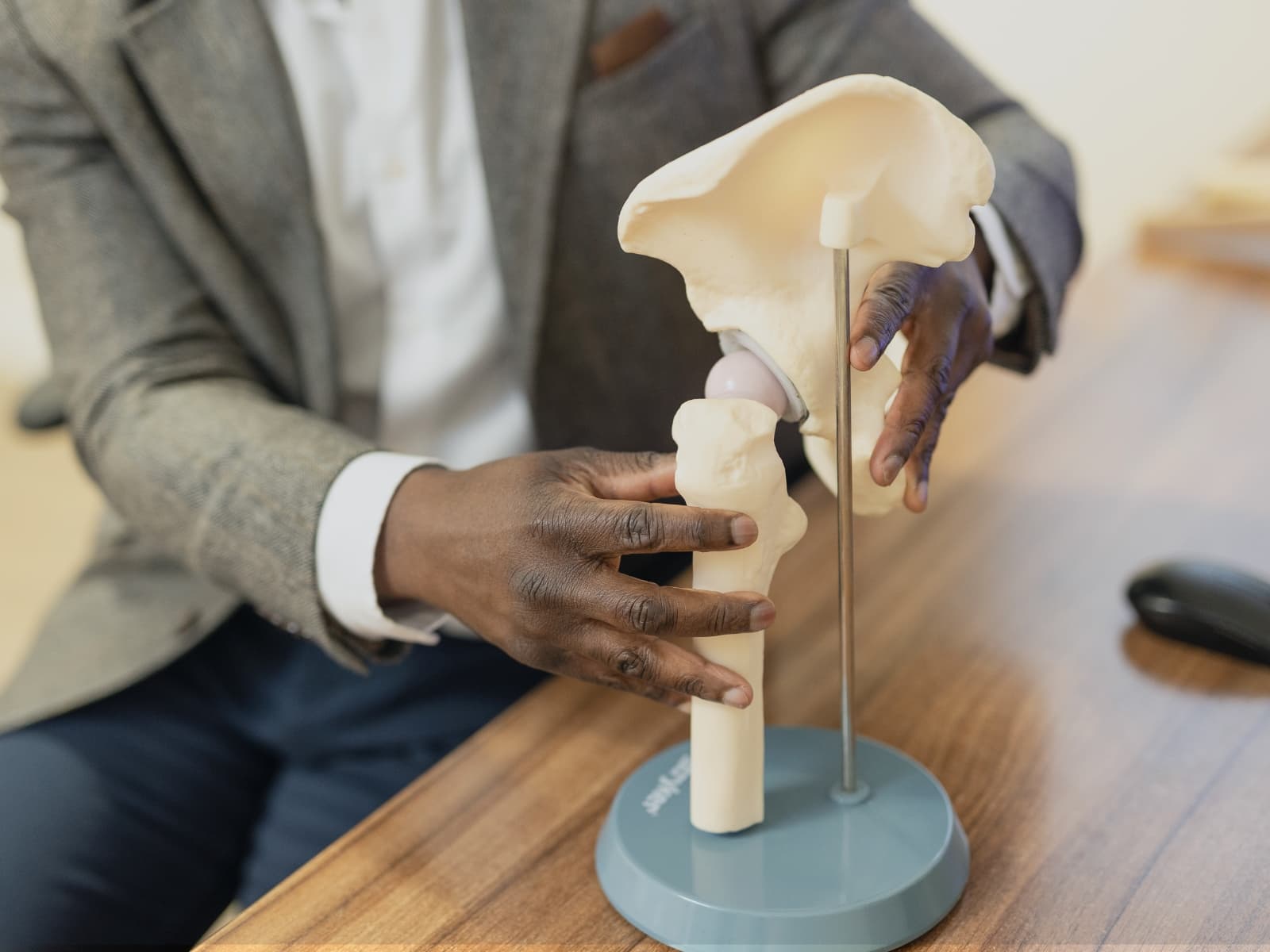
Revision hip replacement is surgery to replace or repair some or all of a previous hip replacement. Even excellent implants eventually wear out, and occasionally a hip can loosen, dislocate, become infected, or wear unevenly sooner than expected. Revision surgery removes the old components and fits new ones, repairing any damage to the surrounding bone.
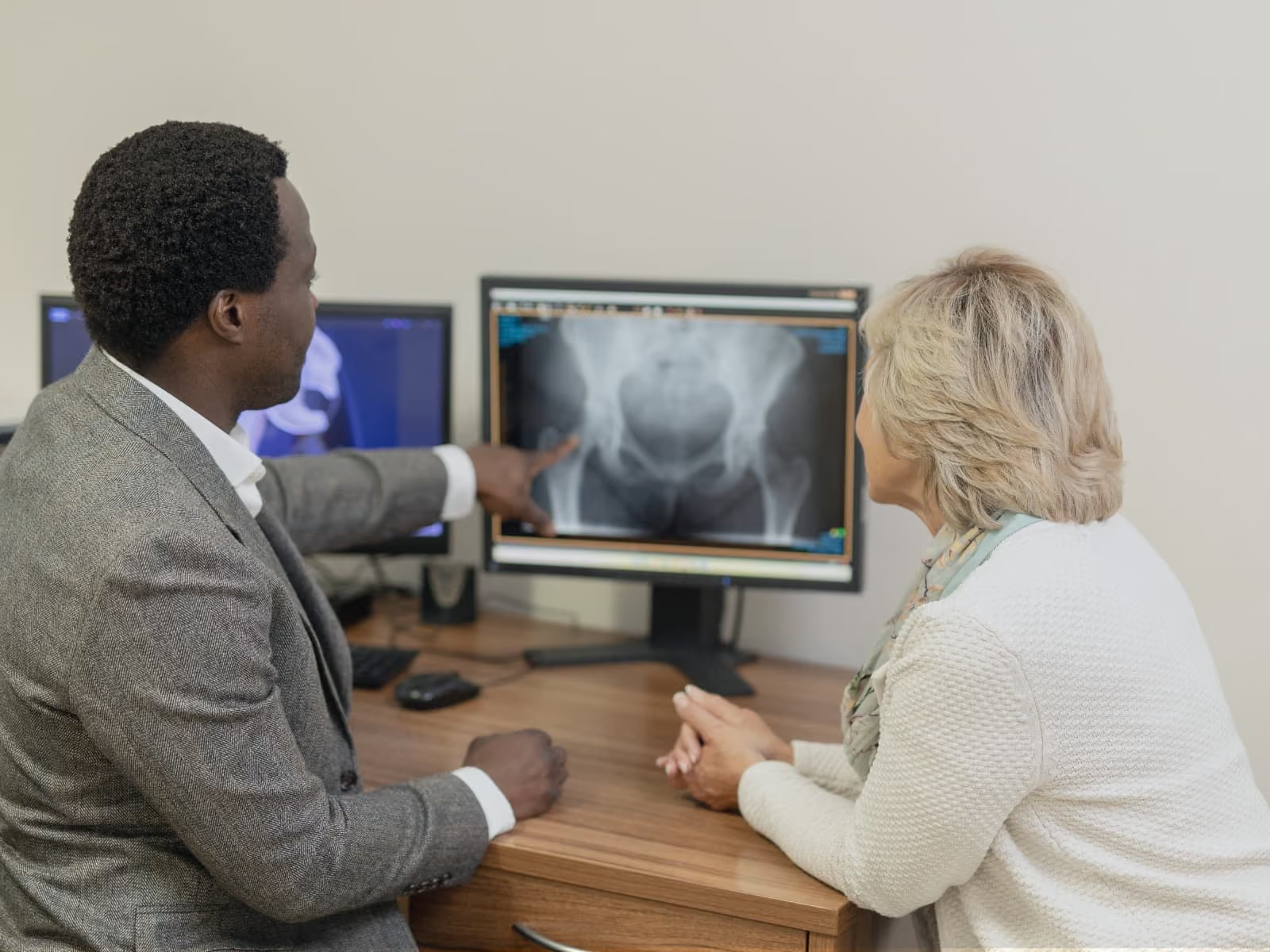
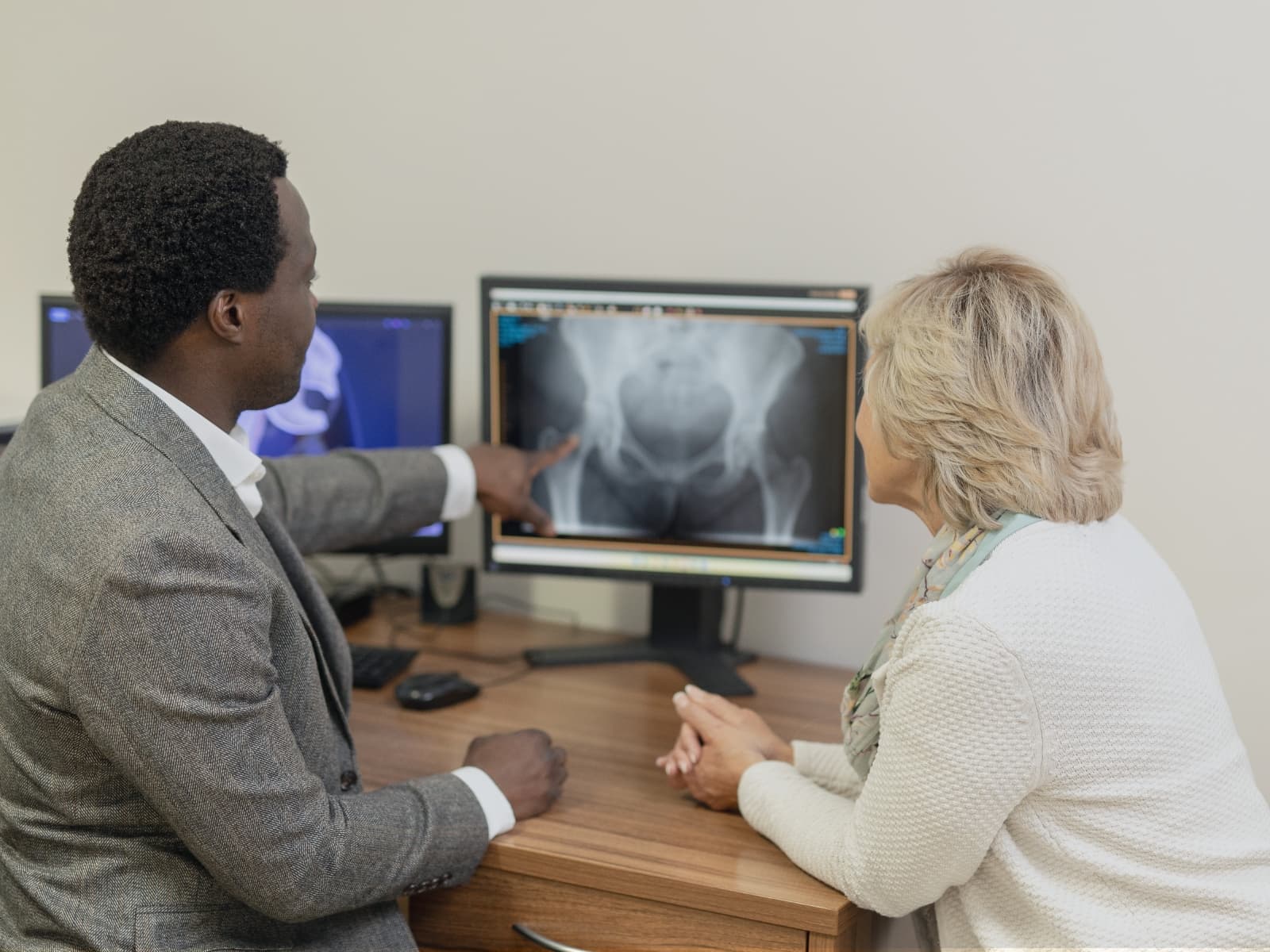
It is more complex than a first hip replacement. It takes longer, can involve rebuilding lost bone, and carries a higher risk, so it calls for particular experience. Mr Oni is the regional lead for the revision hip service, leading the MDT at East Kent Hospitals and a recognised referral point for complex and revision cases sent on by other surgeons. He regularly reviews scans performed at other centres, including X-rays, CT, MRI and ultrasound.
A hip replacement may need revising because of implant wear over time, loosening, recurrent dislocation, infection, or pain and instability that develop years later. Mr Oni assesses exactly why the hip is failing before recommending surgery, so the right problem is treated in the right way.
is this right for me?
Revision surgery is considered when a previous hip replacement is causing problems that cannot be managed any other way. Mr Oni first identifies exactly why the hip is failing before advising on surgery.
An older hip replacement that has worn out or worked loose, often causing returning pain or a change in how the hip feels.
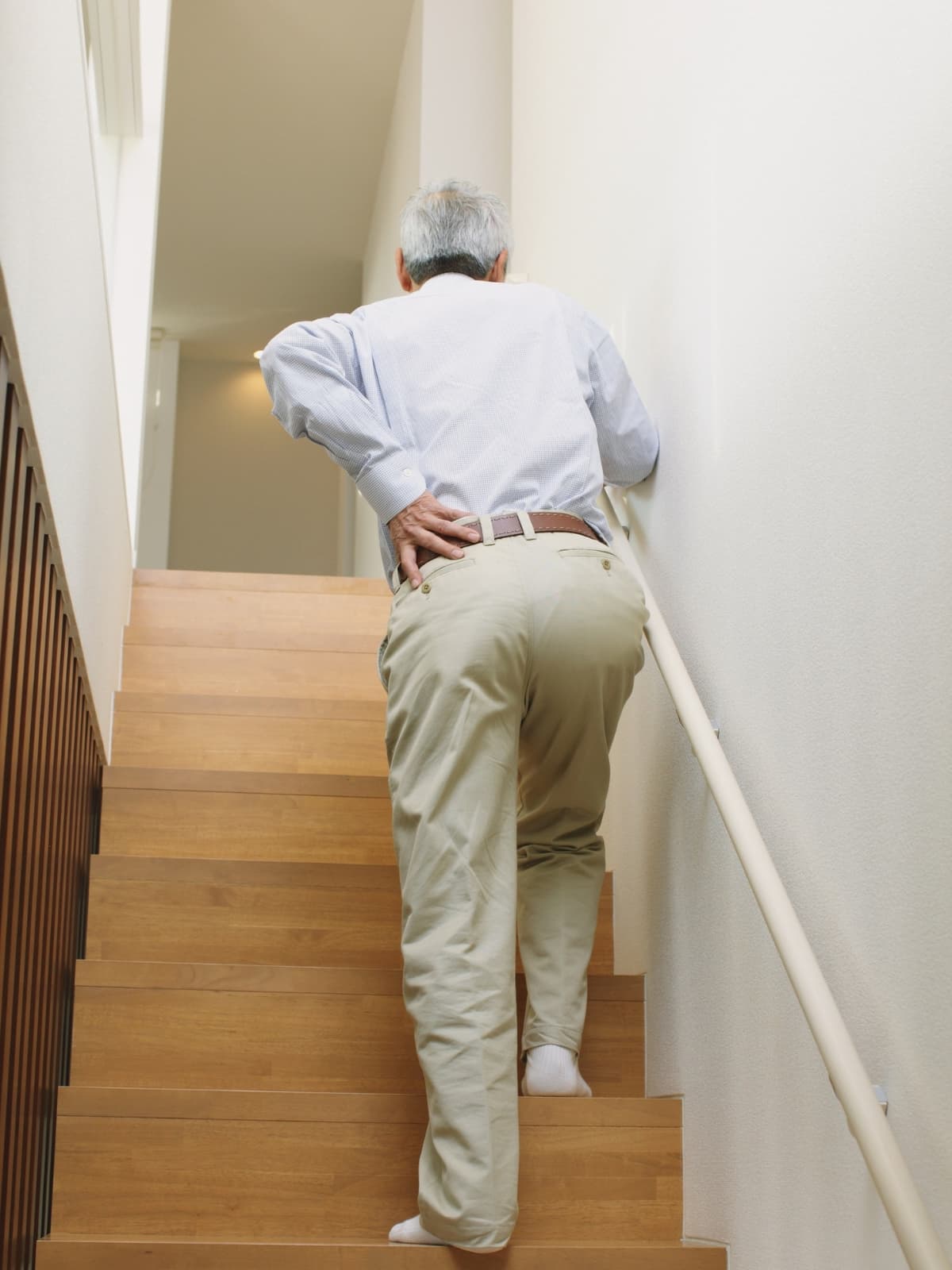
Persistent pain, stiffness, or a hip that feels unstable or dislocates, sometimes years after the original operation.
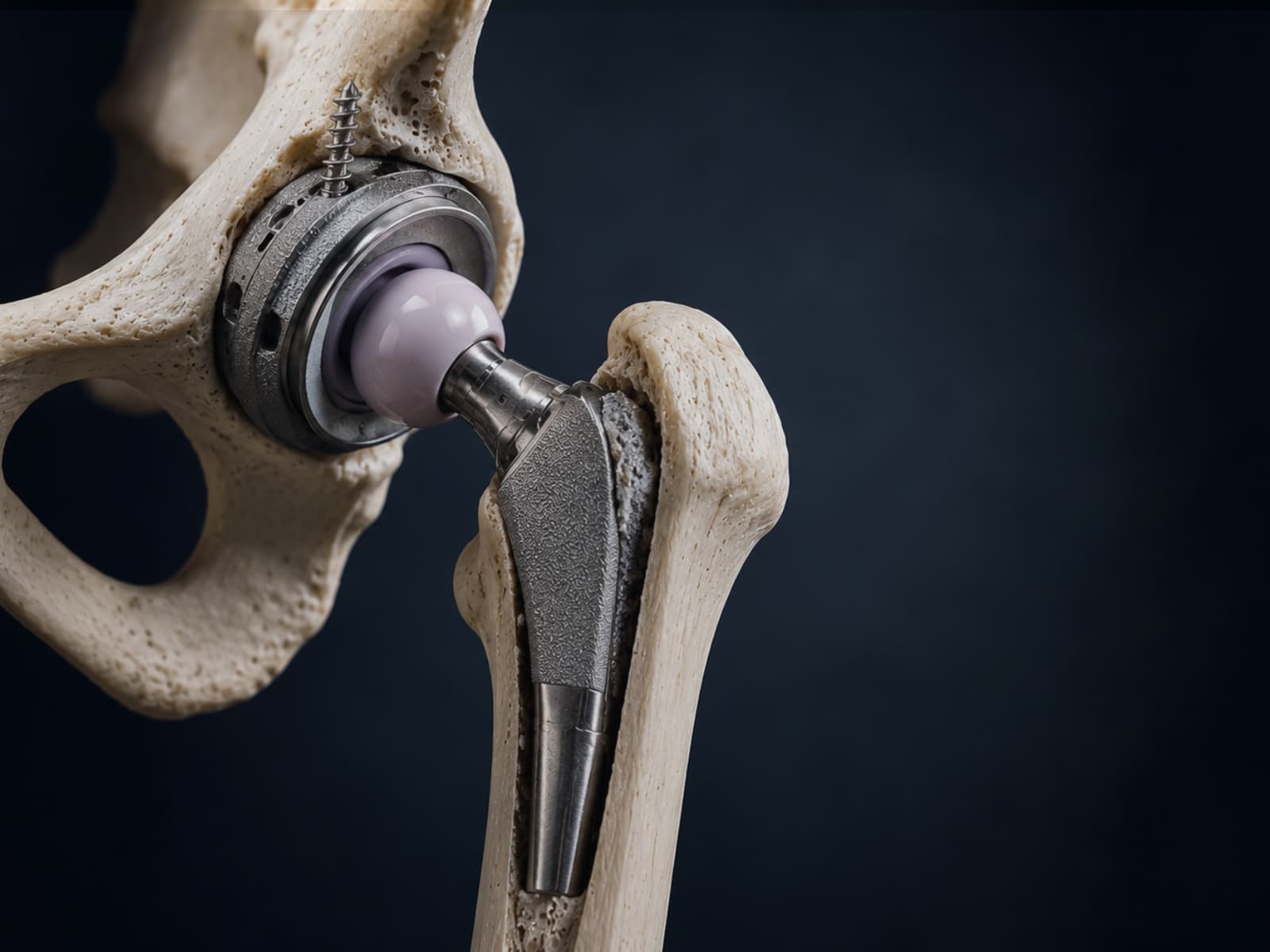
A hip replacement affected by infection or significant bone loss, where careful, complex reconstruction is needed.
Not sure if you qualify?
Many patients come to Mr Oni uncertain whether their symptoms are "bad enough" for treatment. The answer always comes from a proper clinical assessment - not from a website. Book a consultation and Mr Oni will give you an honest view.
outcomes
the benefits and outcomes that are typically expected with this treatment. giving you realistic expectations are important to ensure you go into any treatment fully informed.
Mr Oni is the regional lead for revision hip surgery in East Kent and a referral point for complex cases from other surgeons.
Revision is only recommended once Mr Oni has pinpointed exactly why the hip is failing, including reviewing scans from other centres.
Experience in rebuilding lost bone and managing infection means even difficult, failed hip replacements can be put right.
Replacing a worn or unstable implant relieves pain and restores a secure, reliable hip.
Recovery after revision surgery is usually a little slower than after a first hip replacement, because the operation is more involved. Mr Oni gives you a realistic, personalised timeline based on your specific reconstruction.
You will be helped up and moving with support, with pain relief and clot-prevention measures in place.
Walking with crutches or a stick, building up gradually with guided physiotherapy and joint-protection precautions.
A follow-up reviews your progress. Return to driving and everyday activity is guided by how your reconstruction is healing.
Strength and confidence continue to build, and Mr Oni reviews you to make sure the new implant is settling well.
YOU MAY ALSO WANT TO EXPLORE
Replacing the worn hip joint with a durable implant to relieve pain and restore movement.
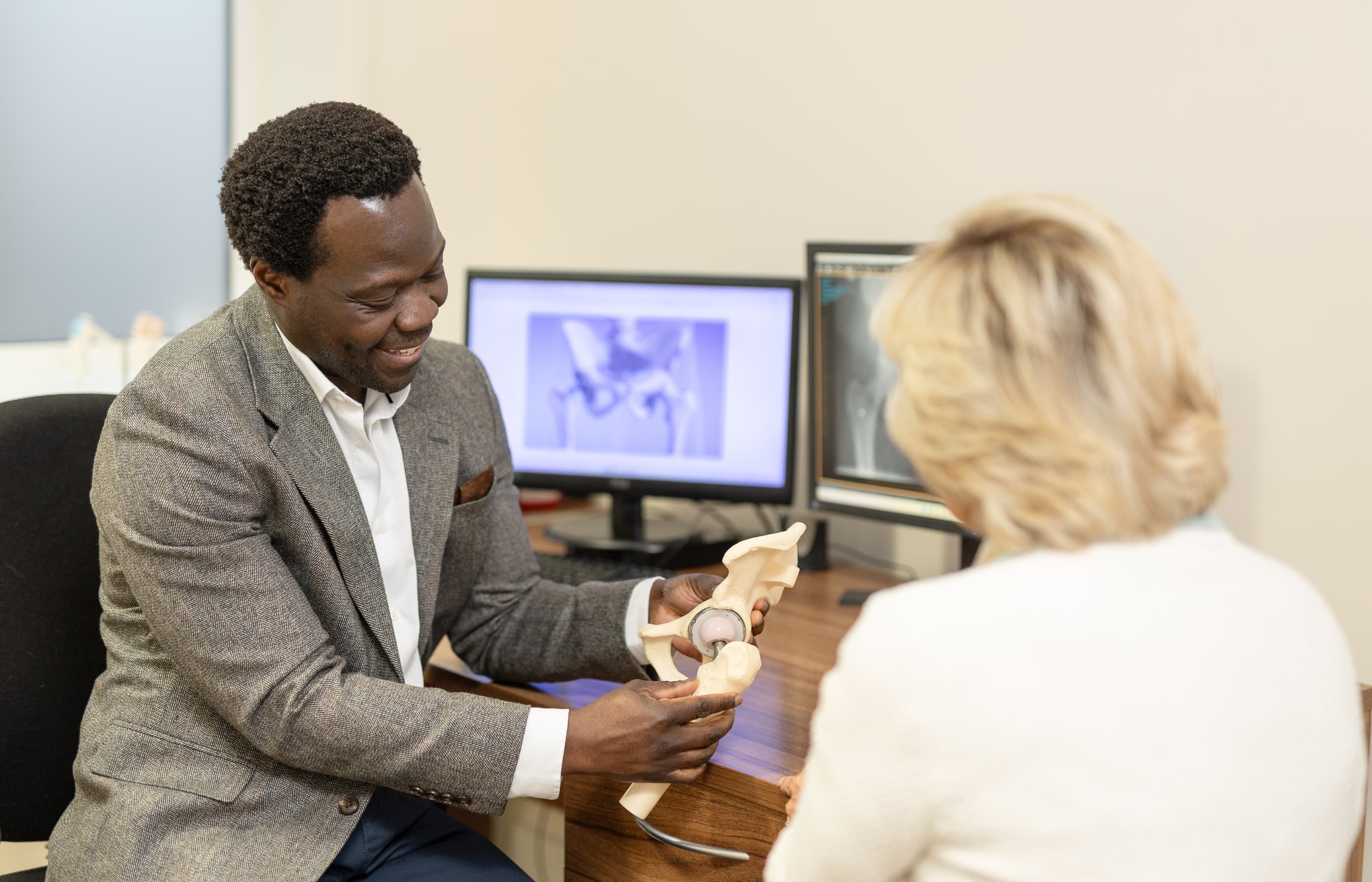
Pain that returns years after a hip replacement can be caused by the implant wearing out, working loose, becoming infected, or the hip becoming unstable. It always needs assessing. Mr Oni investigates the cause with examination and imaging before advising on treatment.
Most modern hip implants last 15 to 20 years or more, though some wear out or fail sooner. When that happens, revision surgery replaces the worn implant with a new one.
Yes. Revision is longer and more complex than a first replacement, can involve rebuilding lost bone, and carries a higher risk, which is why specialist experience matters. Mr Oni is the regional lead for the revision hip service, leading the MDT at East Kent Hopsitals.
Yes. A hip that repeatedly feels unstable or dislocates is a common reason for revision. Mr Oni identifies why it is happening and corrects it, so the hip feels secure and reliable again.
Yes. Mr Oni is a recognised referral point for complex and revision hip cases and regularly reviews X-rays, CT, MRI and ultrasound scans performed at other centres.
The cost depends on the complexity of the reconstruction and whether you are self-funding or using private medical insurance. Mr Oni's team can provide a clear quote at your consultation.
Mr Oni consults and operates at several leading private hospitals across the region, so you can choose the location most convenient for you.
get in touch
See Mr Oni at The Horder Centre, The Nuffield Hospital or The Vale Health Clinic.
Fill in the form below or get in touch directly:
Libby aims to respond to all requests within two working days

We accept most major UK private medical insurers, and welcome self-funding patients too.